by María Martínez (LTL Contributor)
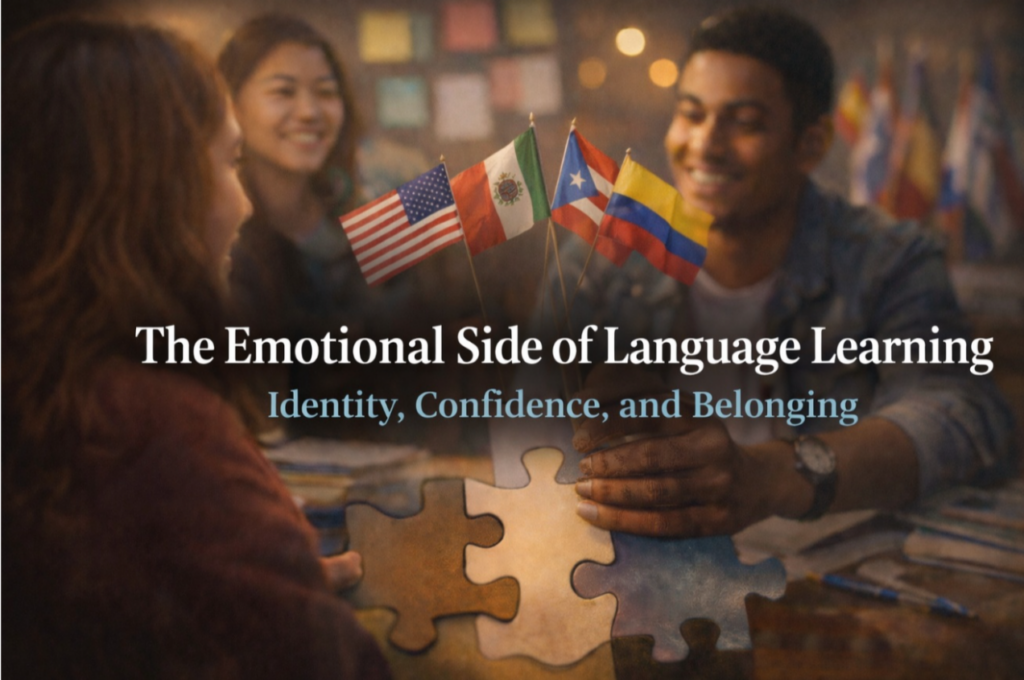
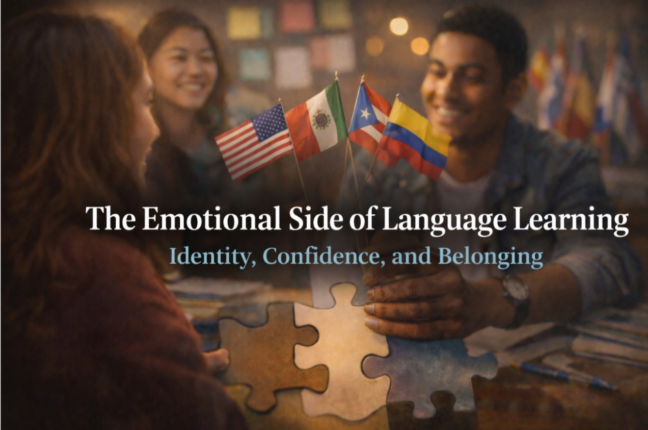
The Emotional Side of Language Learning: Identity, Confidence, and Belonging
When we talk about learning a new language, we often focus on grammar rules, vocabulary lists, and exam preparation. But behind every learner—whether a complete beginner, a bilingual student, or a heritage speaker—there is an emotional world shaping their experience. Language learning is not only a cognitive task; it is an emotional journey tied to identity, confidence, belonging, and even vulnerability.
As educators, parents, and lifelong learners, understanding this emotional landscape is essential if we want our students to thrive.
Language, Identity, and the Self
For many learners, especially bilingual and heritage students, language is deeply personal. It connects them to family history, cultural traditions, and community belonging. Speaking a language confidently can feel like stepping into a fuller version of oneself. But the opposite can also happen: insecurity or fear of being judged can make students distance themselves from their heritage language.
In my work with students from dozens of linguistic backgrounds, I’ve witnessed how speaking a language goes far beyond communication. It is often tied to questions
such as:
- Am I “enough” of a speaker?
- Do I sound authentic?
- Is my accent something to hide or something to celebrate?
These emotional layers deeply influence motivation, risk-taking, and long-term progress.
Confidence as a Bridge (or a Barrier) in Language Speaking
Confidence determines whether a learner raises their hand, volunteers in class, practices with a friend, or even presses “play” on a video lesson. Students frequently know more than they show, but fear of making mistakes can silence them.
This emotional filter is especially strong in heritage speakers, who may feel judged more harshly—by native speakers or even by family members—because expectations are higher. Helping learners build confidence is not optional; it’s foundational.
Belonging: The Hidden Ingredient of Successful Language Classrooms
Students learn best when they feel emotionally safe. A sense of belonging—knowing that their voice matters and their identity is valued—creates the ideal environment for language growth.
In my Bilingual Cerebros YouTube interviews, I have heard this message echoed again and again. Teachers, parents, authors, and students share how belonging shaped their linguistic journey. From multilingual classrooms to bilingual families, a recurring theme is clear: students thrive when their identity is recognized, respected, and celebrated.

Watch inspiring interviews here:
Strategies Teachers Can Use to Create Safe, Emotionally Supportive Spaces in Language Classrooms
Here are some practical approaches that have had a strong impact in my classes and in the stories shared through my interview series:
- Normalize mistakes as part of growth
Celebrate risk-taking instead of perfection. Encourage students to speak even when unsure and model making “beautiful mistakes.” - Validate linguistic identity
Allow students to use the languages that feel natural to them. Honor different accents, dialects, and cultural connections. - Use reflective tasks
Journals, voice notes, and self-assessment help students understand their emotions and track their progress. - Bring real voices into the classroom
Interviews with bilingual individuals—students, teachers, authors, and parents—show learners that they’re not alone and that bilingual identities come in many forms. - Create rituals of belonging
Community circles, warm-ups, peer support, and shared celebrations help build trust, reduce anxiety, and cultivate a joyful learning space.
Why This Matters
Language learning is an act of courage. Students open their mouths to articulate sounds that may not belong to their first language, express ideas they aren’t fully confident about, and show vulnerability in a public space. Recognizing the emotional side of language learning transforms our classrooms into places where students feel seen and supported—not just assessed.
As teachers, parents, and creators, our mission is to help learners feel that they belong in every language they speak.
Would You Like to Share Your Story?
For the coming year, I’m expanding my interview series on Bilingual Cerebros, giving space to more voices—students, teachers, families, and authors who want to share their journey, challenges, strategies, or advice.
If you would like to be interviewed or recommend someone who would be perfect for this, I would love to hear from you. Contact me at: bilingualcerebros@gmail.com
Let’s continue building a community where language learning is emotional, human, and deeply connected to who we are.
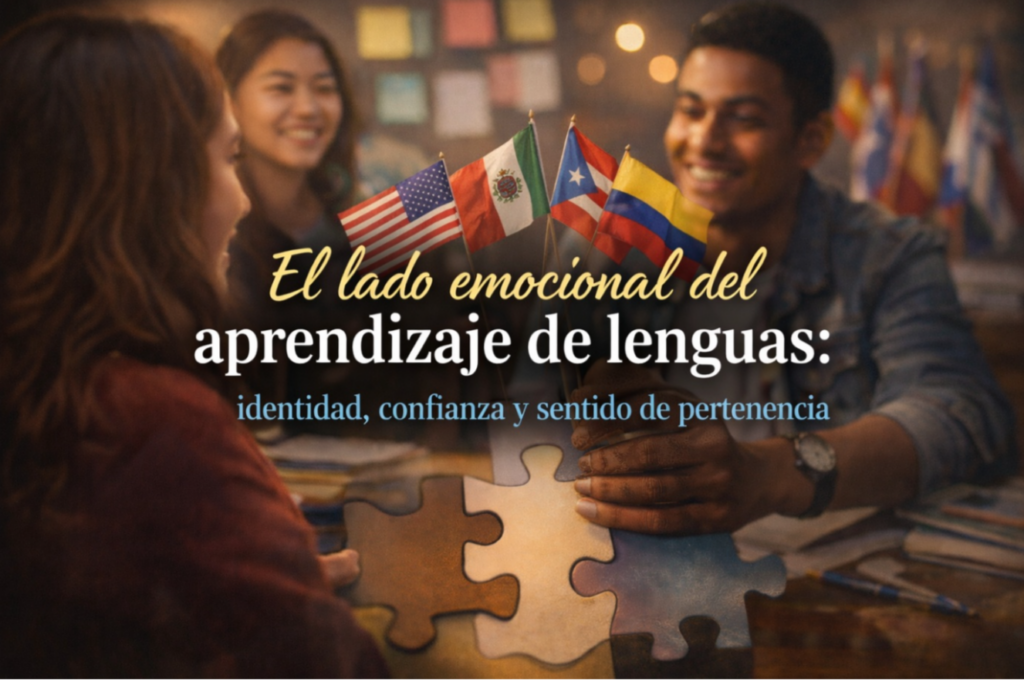
El lado emocional del aprendizaje de lenguas: identidad, confianza y sentido de pertenencia
Cuando hablamos de aprender un idioma, solemos centrarnos en reglas gramaticales, listas de vocabulario y preparación para exámenes. Pero detrás de cada estudiante—ya sea principiante, bilingüe o hablante de herencia—existe un mundo emocional que influye en su proceso. El aprendizaje de lenguas no es solo una tarea cognitiva; es un viaje emocional que refleja identidad, confianza, pertenencia y, en muchos casos, vulnerabilidad.
Como educadores, familias y aprendices a lo largo de la vida, comprender este aspecto emocional es esencial para que nuestros estudiantes puedan desarrollarse plenamente.
Lengua, identidad y autoconcepto
Para muchos aprendientes, especialmente los bilingües y los hablantes de herencia, el idioma es algo profundamente personal. Conecta con la historia familiar, las tradiciones culturales y el sentido de pertenencia comunitaria. Hablar un idioma con soltura puede sentirse como acceder a una parte más completa de uno mismo. Pero también puede ocurrir lo contrario: la inseguridad o el temor a ser juzgado pueden alejar a los estudiantes de su lengua de herencia.
En mi trabajo con estudiantes de múltiples orígenes lingüísticos, he observado que hablar un idioma va mucho más allá de comunicar. Suele estar relacionado con preguntas como:
- ¿Soy “suficiente” en este idioma?
- ¿Sueno auténtico?
- ¿Mi acento es algo que debo ocultar o celebrar?
Estas capas emocionales influyen profundamente en la motivación, la toma de riesgos y el progreso a largo plazo.
La confianza como puente (o barrera)
La confianza determina si un estudiante participa, practica con compañeros o incluso si se anima a ver un vídeo educativo. Con frecuencia, los estudiantes saben más de lo que muestran, pero el miedo a cometer errores les silencia.
Este filtro emocional es especialmente fuerte en los hablantes de herencia, quienes a veces sienten una presión mayor por parte de nativos o incluso de familiares. Fomentar la confianza no es opcional; es fundamental.
Pertenencia: el ingrediente invisible del éxito en el aula
El aprendizaje ocurre mejor en un espacio emocionalmente seguro. Cuando los estudiantes sienten que su voz importa y que su identidad es valorada, el idioma comienza a fluir con más naturalidad.
En las entrevistas de mi canal Bilingual Cerebros, este mensaje se repite una y otra vez. Docentes, familias, estudiantes y autores comparten cómo la pertenencia ha marcado su camino lingüístico. Desde aulas multilingües hasta hogares bilingües, el patrón es claro: los alumnos crecen cuando su identidad es reconocida, respetada y celebrada.
Puedes ver las entrevistas aquí:
Estrategias para que los docentes creen espacios seguros y emocionalmente positivos
Aquí tienes algunas prácticas que han marcado una diferencia significativa tanto en
mis clases como en las historias compartidas en mis entrevistas:
- Normalizar los errores como parte del aprendizaje
Celebrar la valentía, no la perfección. Animar a los estudiantes a hablar incluso
cuando duden. - Validar la identidad lingüística
Permitir que los estudiantes usen las lenguas que les resulten naturales. Valorar
acentos, dialectos y vínculos culturales. - Incluir actividades de reflexión
Diarios, notas de voz y autoevaluaciones ayudan a los estudiantes a entender sus
emociones y a medir su progreso. - Incorporar voces reales
Entrevistas con personas bilingües—estudiantes, maestros, autores y
familias—muestran que no están solos y que no existe una sola manera de ser
bilingüe. - Crear rituales de pertenencia Círculos de conversación, actividades de apoyo entre pares y pequeñas celebraciones fomentan la confianza y reducen la ansiedad.
Por qué importa esto
Aprender un idioma es un acto de valentía. Los estudiantes se exponen, producen sonidos que no pertenecen a su lengua materna, expresan ideas aún inseguras y muestran vulnerabilidad ante los demás. Reconocer el lado emocional del aprendizaje transforma las aulas en espacios donde los alumnos se sienten vistos, apoyados y acompañados.
Nuestro objetivo, como educadores y creadores de contenido, es ayudarles a sentir que pertenecen a cada uno de los idiomas con los que se comunican.
¿Te gustaría compartir tu experiencia?

En el próximo año, ampliaré mi serie de entrevistas en Bilingual Cerebros, dando espacio a más voces: estudiantes, docentes, familias y autores que quieran compartir su camino, desafíos, estrategias o consejos.
Si te gustaría participar en una entrevista o conoces a alguien que sería perfecto para ello, estaré encantada de escucharte.
Puedes contactarme en: bilingualcerebros@gmail.com
Sigamos construyendo una comunidad en la que el aprendizaje de idiomas sea humano, emocional y profundamente conectado con quienes somos.