Novel Professional Development Initiatives (PDI) for World Language Educators

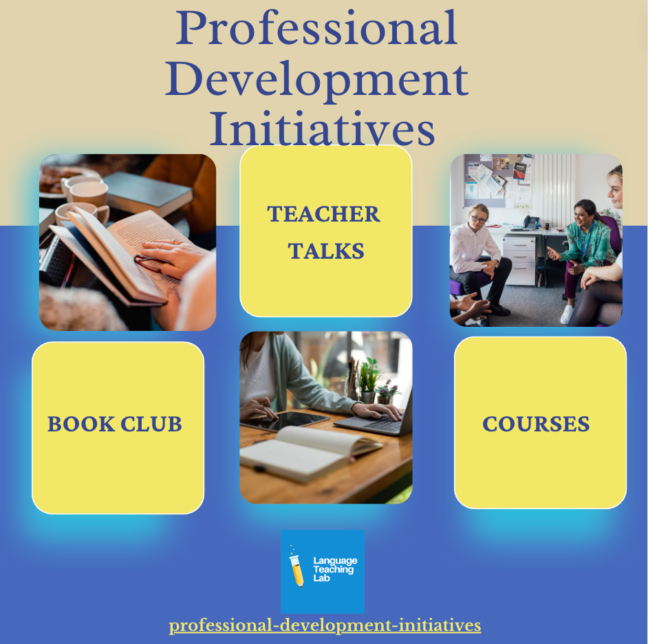
Language Teaching Lab’s Professional Development Initiatives (PDI) is a key component of the what, how, and why of language teaching and learning. Teacher Talks and the LTL Book Club fill a gap in the PDIs already offered by other world language organizations.

The Teacher Talks is a space and time to discuss specific topics related to the what, how, and why of language teaching and learning.

The LTL Book Club is an opportunity to converse with other world language educators about the book chosen for the month, on topics and themes relevant to world language educators.

Both PDIs are based on reading (books or other sources related to world language learning), talking to like-minded and diverse groups of educators, listening to the different voices in the Language Teaching Lab community, and self-reflecting on your teaching and learning. 

Ideally, educators should read the materials before the discussions, but we know that sometimes, there is no time to do it. With that being said, attending these PDIs, i.e. listening to other educators explore rich ideas from the books and how they transfer in the classroom setting, might help us move forward in our personal and professional lives. So, I encourage you to attend, even if you have no time to finish reading the materials!

The topics and themes of the books are universal and geared toward finding answers, asking questions, and gaining new insights into language teaching and learning. But that is not all! As part of the PDI community, you may connect with educators who teach the same language, or level or share your philosophy. You may also end up connecting your classes as pen pal friends, for video exchanges, and much more. 

We know that learning languages opens doors to global opportunities and enriches lives. LTL PDIs is all about empowering teachers to cultivate critical thinkers, life-long learners, and global citizens in every classroom. Language Teaching Lab PDIs connect world language educators to learn together and help us grow professionally and personally. 

Halloween, El Día de los Muertos y El Día de Todos los Santos + Monsters Competition! (Spanish & English)

Halloween

by María Martínez (LTL Contributor)

Why I love this time of the year!

I love this time of the year! But when I come to think about it, it wasn’t always the case…

I grew up in Spain, and when I was little, this time of the year was the beginning of the cold weather, shorter days, longer nights, and still a long wait for Christmas…

At the beginning of November, we celebrate “All Saints Day”. However, as a child, I didn’t like it, because it would mean going to the cemetery and in those days, children weren’t explained much about it, the importance of that commemoration and its meaning. So, to be honest, I didn’t like it very much…

However, today, things have changed very much. Thanks to the Internet and social media and the globalization that they brought, we can learn about different ways to celebrate similar things in different cultures. 

I really find it fascinating how El Día de Muertos is celebrated in México compared to how somber the topic of death is in Spain. It is a great teaching opportunity in lessons to talk about how the same topic can be perceived so differently in different countries. 

The new generations are enjoying experiencing these traditions, even when they are not typical from their own countries. For example, in Spain in the past, Halloween was always a foreign celebration that you would see in the movies. Nowadays, Halloween is celebrated in many Spanish cities and even small villages and children can experience it firsthand. 

The same thing can be said about El Día de Muertos in the United States. Nowadays, it is celebrated in many major and smaller cities, for example in Los Angeles, San Diego, Alburquerque to name a few. And it is not only the celebration itself, but the learning about its meaning and all the traditions around it in schools so that children grow up with the experience of this celebration but also an understanding of its meaning.

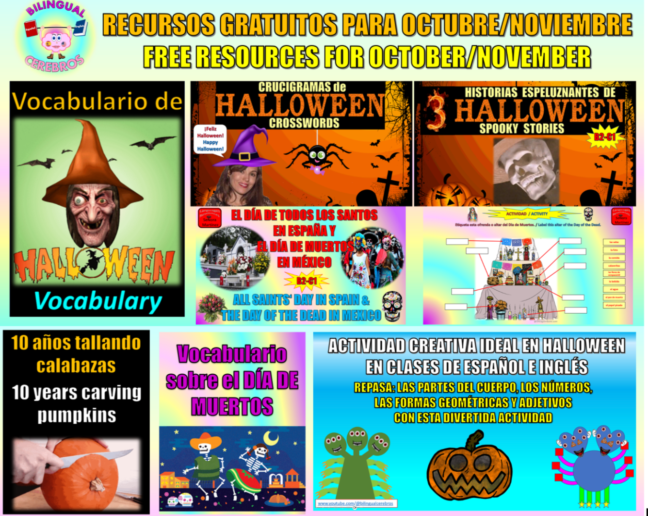
I invite you to watch a few resources related to these 3 topics: Halloween, El Día de Muertos y El Día de Todos los Santos. Remember that if you need the PDF or PPT versions from these resources, you can contact me on bilingualcerebros@gmail.com and I will be happy to share them with you. They are free.

Do you like this time of the year? Was your experience growing up different too? 

Resources:

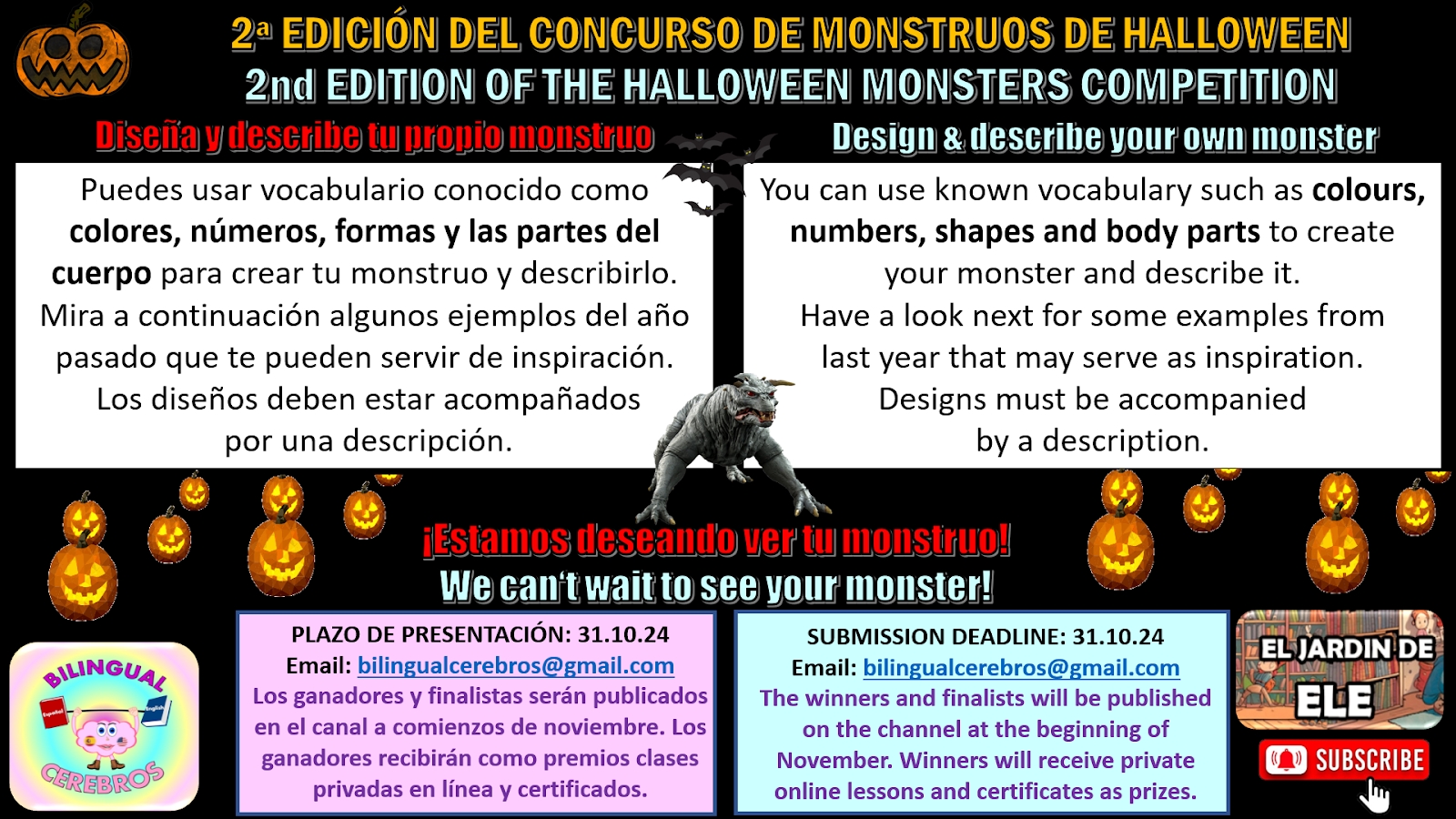
Halloween Monsters Competition

I invite you all to participate and invite your students to take part in the 2nd edition of the Halloween Monster Competition: https://youtu.be/Y_o2UoOARdw?si=AiRZNwoYrwUtclx8
Ein Bild, das Text, Screenshot, Schrift, Website enthält.Automatisch generierte Beschreibung


¡Por qué me encanta esta época del año!

¡Me encanta esta época del año! Pero cuando lo pienso, no siempre fue así…

Crecí en España, y cuando era pequeña, esta época del año significaba siempre el comienzo del frío, los días más cortos, las noches más largas y aún había que esperar mucho para la Navidad…

A principios de noviembre celebramos el “Día de Todos los Santos”. Sin embargo, cuando era niña no me gustaba, porque significaba ir al cementerio y en aquellos días a los niños no se les explicaba mucho sobre eso, la importancia de esa conmemoración y su significado. Entonces, para ser honesta, no me gustaba mucho…

Sin embargo, hoy las cosas han cambiado mucho. Gracias a Internet y las redes sociales y la globalización que trajeron, podemos aprender sobre diferentes formas de celebrar estos días en diferentes culturas. 

Encuentro realmente fascinante cómo se celebra el Día de Muertos en México en comparación con lo sombrío que es el tema de la muerte en España. Es una gran oportunidad didáctica para hablar en las lecciones sobre cómo el mismo tema puede percibirse de manera tan diferente en diferentes países.

Las nuevas generaciones disfrutan viviendo estas tradiciones, incluso cuando no son típicas de sus propios países. Por ejemplo, en España antiguamente Halloween siempre fue una celebración extranjera que se veía en las películas. Hoy en día, Halloween se celebra en la mayoría de las ciudades españolas e incluso en algunos pueblos pequeños y los niños pueden vivirlo en primera persona. 

Lo mismo puede decirse del Día de Muertos en Estados Unidos. Hoy en día, se celebra en muchas ciudades grandes y pequeñas, por ejemplo, en Los Ángeles, San Diego y Alburquerque, por nombrar algunas. Y no es sólo la celebración en sí, sino el aprendizaje en los colegios sobre su significado y todas las tradiciones que la rodean para que los niños crezcan con la experiencia de esta celebración, pero también con la comprensión de su significado.

Te invito a ver algunos recursos relacionados con estos 3 temas: Halloween, El Día de Muertos y El Día de Todos los Santos. Recuerda que, si necesita las versiones PDF o PPT de estos recursos, puede contactarme en bilingualcerebros@gmail.com y estaré feliz de compartirlas contigo. Son gratis.

¿Te gusta esta época del año? ¿Tuviste una experiencia diferente en tu niñez?

Resources:

Concurso de Monstruos de Halloween

Os invito a todos a participar e invito a vuestros alumnos a participar en la 2da edición del Concurso de Monstruos de Halloween: https://youtu.be/Y_o2UoOARdw?si=AiRZNwoYrwUtclx8
Ein Bild, das Text, Screenshot, Schrift, Website enthält.Automatisch generierte Beschreibung

DER: Gamifying Your Units with Digital Escape Rooms

DER

by Victoria Berasaluce Guerra (LTL Contributor)

If you are reading this article, you might feel intrigued by using digital escape rooms in your World Language classroom. Whether this is your first try at digital escape rooms or a returning fan, here I share some ideas and steps that might be helpful

Starting with…why even do a digital escape room (DER)?

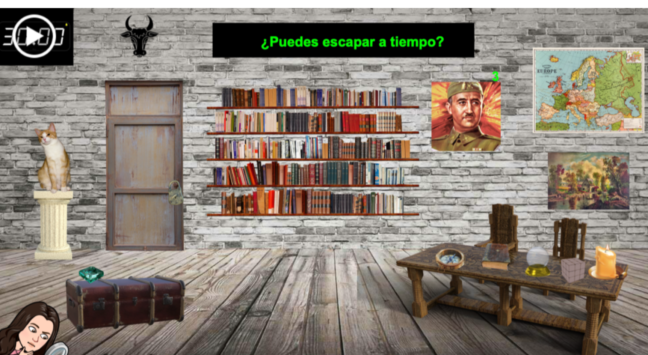
Digital escape rooms are basically an activity online where there is an imaginary room you and/or your group must escape from by solving several clues that will finally release you from the room. Physical escape rooms also exist, and you can try them in your class or with friends at a special venue. It’s fun!

So what are the benefits of DER?

For starters, their versatility for any unit of your curriculum. They help boost collaborative work and engage students through problem solving and critical thinking. They are also easy to tailor to your classroom’s needs and a novel way to incorporate culture. Last but not least, they prove engaging for educators looking to be creative with their assignments.

When to use DERs

You could create a DER for the end of your unit to review the contents seen in class, or you could incorporate them as an introductory activity (keeping in mind that students should be able to tap into their background knowledge in the target language).

As a plus, digital escape rooms engage students in all core language skills: reading from the clues, listening to audio resources and instructions, writing to solve the clues and speaking between peers and with their teacher, using the target language.

A teacher can also differentiate through escape rooms by incorporating:

  • different modalities of resources: text, auditory and visual
  • different roles of the players to exploit their talents
  • design an escape room where different paths lead to the same goal

Next is…brainstorming DERs

The sky’s the limit when designing a digital escape room. You could base them on any unit you taught, in any language, for every level of language.

Before starting the building process, teachers need to consider the backwards design planning. This stage can be exhilarating and creative, but you need to be crystal clear on what your objectives are before starting to plan the storyline.

Some questions to ask yourself:

  1. What are my objectives? Your escape room might be based on a unit or a reading you did in class.
  2. What skills do you want your students to have mastered or practiced after the activity?
  3. Storyline? What narrative are you thinking of?
  4. What rules will I establish for my escape room? Will I give limited attempts to help each group? Will I let them use any resource from the class material? Will it be a collaborative or individual activity? F2F or fully virtual?

Okay…now how do I actually start a DER?

To introduce the technical content, I will clarify that even though there are many ways to create DERs, I will focus on the steps to follow when creating them on Google slides. And don’t worry if your school or institution does not use Google. 

Step 1: Set the room and the mood

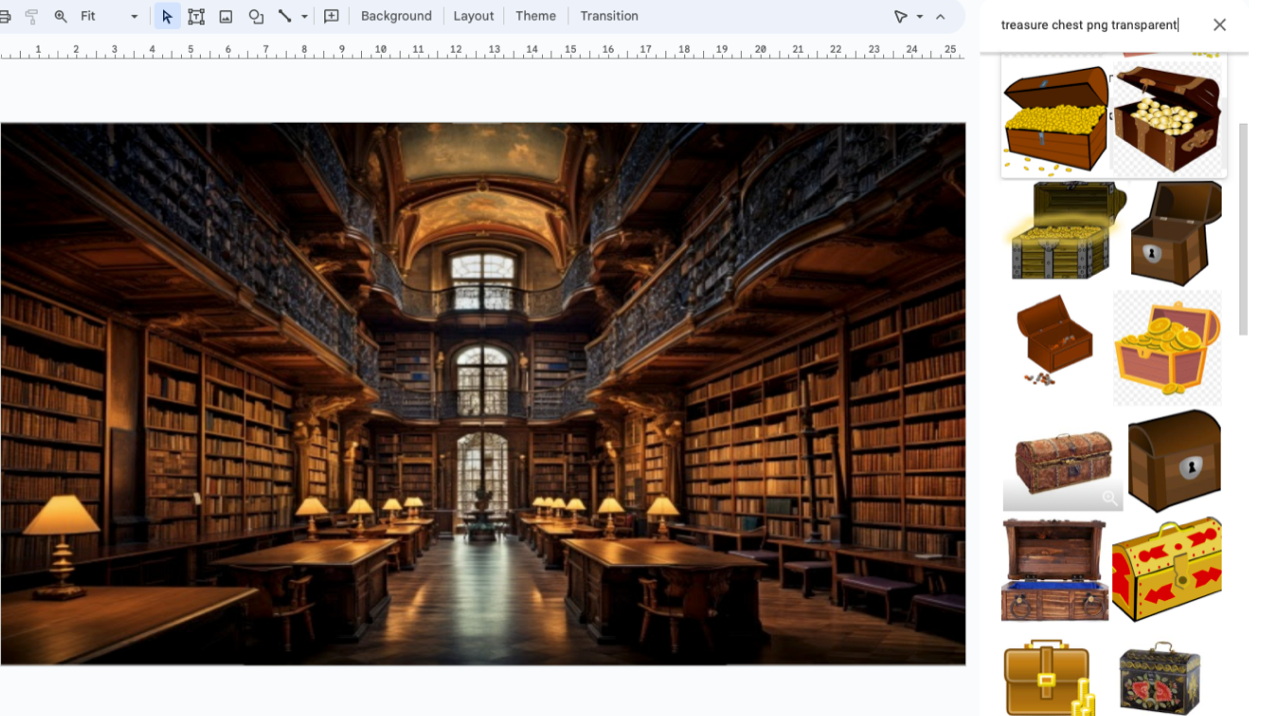
On a blank Google slide, choose your background by clicking on “Background”, then choose an image from your computer or search the web. To add any elements into the room, insert an image. When searching the web, you can add the words “transparent png” to the search to make sure the image does not have a background when you add it onto the slide. You can also add yourself as an emoji from the Bitmoji Chrome Extension in your browser.

Step 2: Create locks

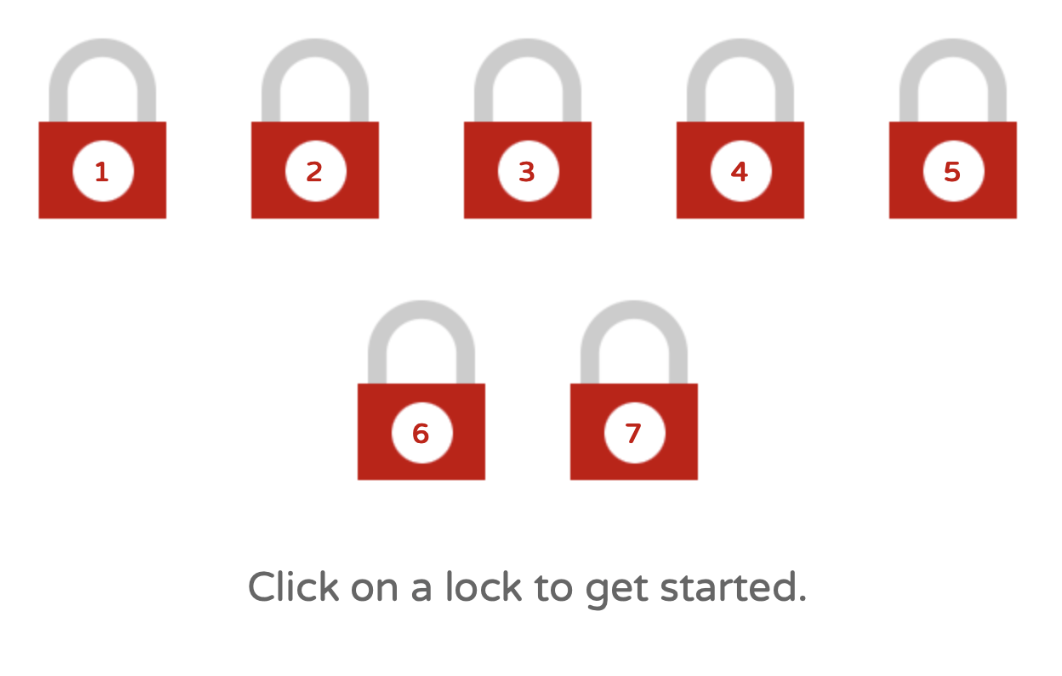
You might create your lock/s in a separate Google form. You can customize the header image, add a title and introduction. Remember to click on the three-dot menu to turn on the option “response validation”. You might add a final message once the lock is “opened”. Another way is to use an external tool to create the actual visual locks, such as Flippity.

A screenshot of a computerDescription automatically generated

Step 3: Construct clues

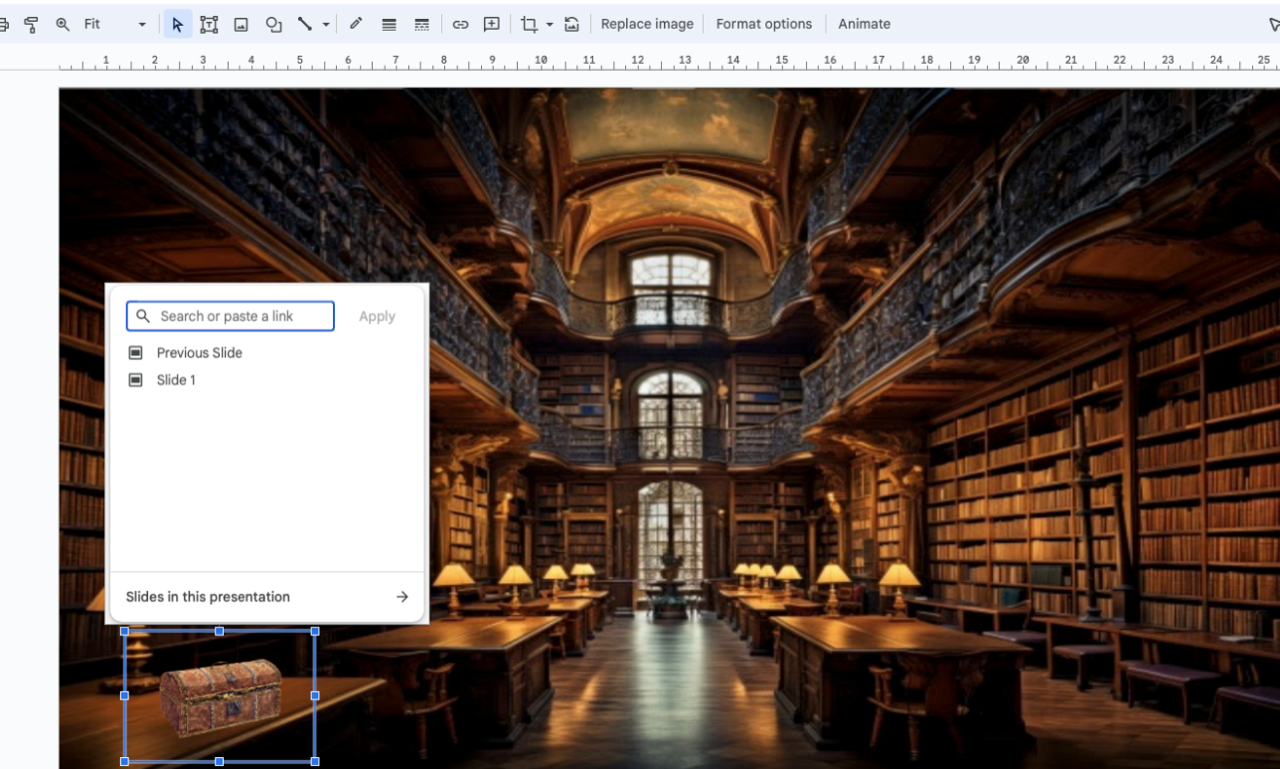
You can choose if you want to set a path of linear clues or let the students find clues randomly. Finding clues randomly will make the game more complex and test their collaboration and communication skills more. You also must decide if you will add any “distractions”, so elements that don’t really lead to anything. This will also add a level of complexity to the game since students will have to discern what elements serve them for their mission and which ones don’t.  You will need to produce links from the elements in the room to the different clues (external sites or Google forms for example).

A screenshot of a computerDescription automatically generated

Step 4: Set a timer and make it competitive!

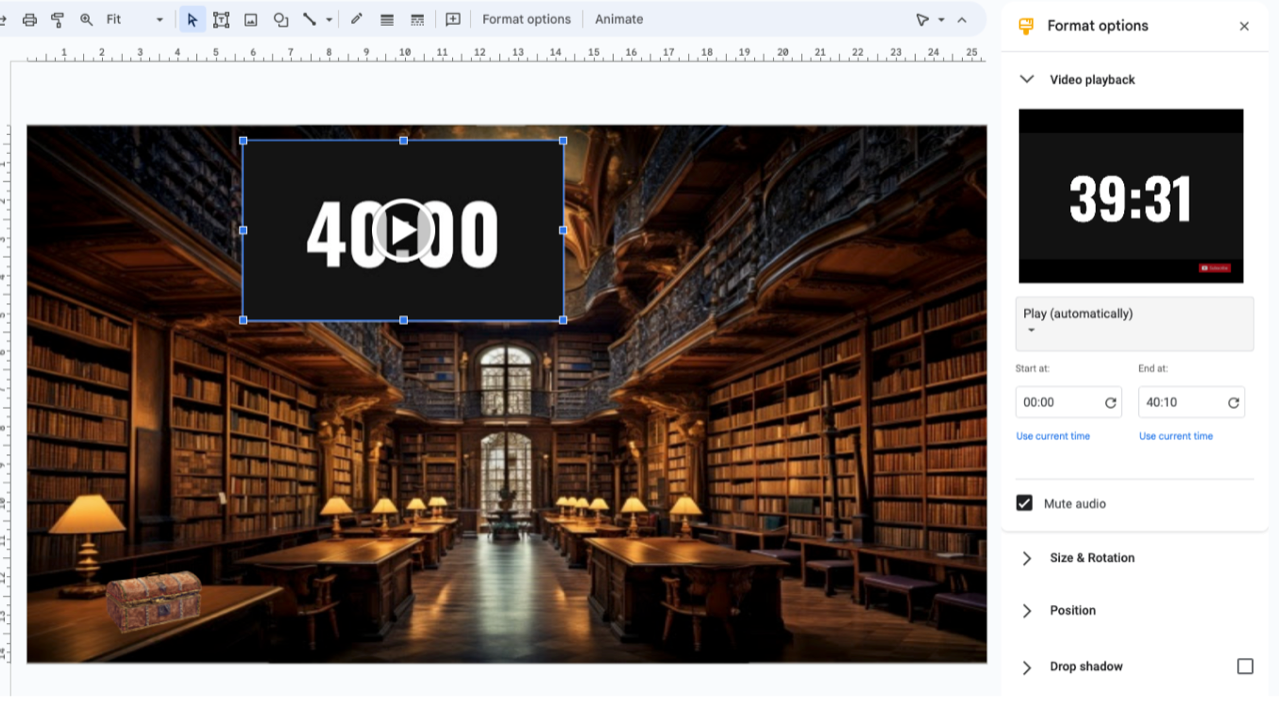
To set a timer, click on “add video” and search Youtube for a timer specific to the number of minutes you want. Just make sure to watch it first to ensure it is appropriate for school.

A screenshot of a libraryDescription automatically generated

Step 5: Share it and have fun!

After testing the DER, copy the URL of the slide and paste it into a blank slide. Change the “/edit” in the URL to “/preview” and hit “Apply”. You will have to allow access so that anyone with the link can view. You can find these settings under the “Share” button on the upper right corner. To make sure your slide gets published and seen, click on “File”, “Share” and “Publish to web”.

Feel free to reach out and share your DERs!

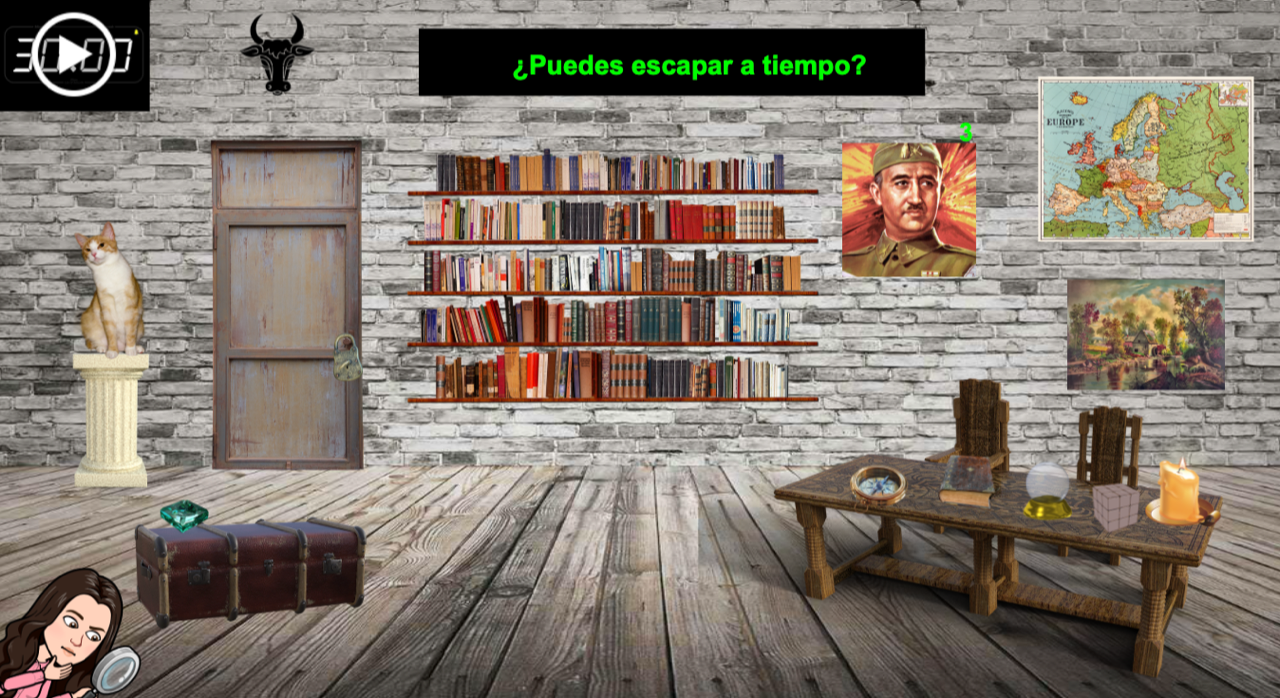
Here is an example of a final DER that I created for a unit based on “Agentes secretos y el mural de Picasso” by Mira Canion:

DER

Give it a try! Click on the picture or check this link. This is an example so that you get an idea. Please, do not get discouraged if you cannot advance much.

Enjoy!

Frená / Slow Down (in Spanish and English)

Slow Down

by Justa Rebollo Paz (LTL Contributor)

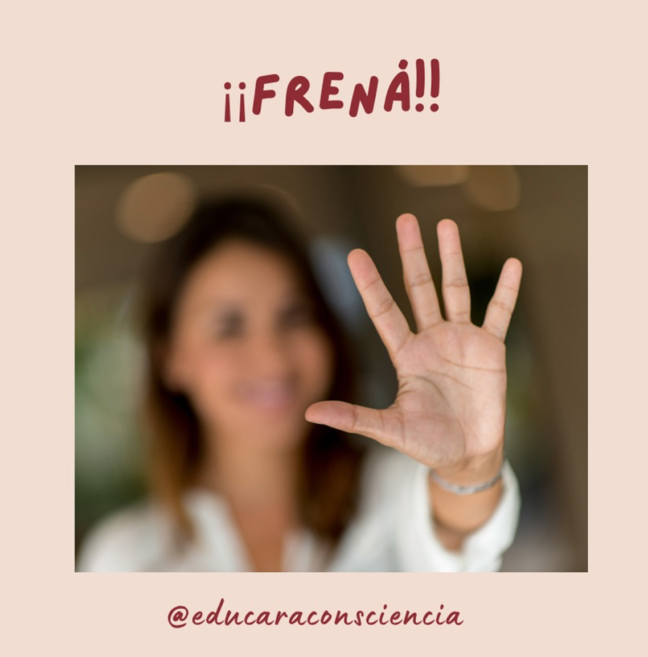
Frená

  • 🛑 Frenaaaaaaaaaaaaaaa!!!!
  • 🛑 Frená y mirá
  • 🛑 Frená y prestá atención.
  • 🛑 No andes en piloto automático.
  • 🛑 La vida pasa más rápido de lo que queremos y de lo que esperamos.
  • 🛑 Así que frená y disfrutá de cada instante.
  • 🛑 Frená y viví.
  • 🛑 Frená y valorá.
  • 🛑 Frená y saboreá…
  • 🤍 Ese mate calentito que te preparaste a la mañana.
  • 🤍 Esa persona que te dió una mano en el trabajo.
  • 🤍 El sol en la cara.
  • 🤍 Esa persona que te dejó pasar… o que pasó primero y te sostuvo la puerta para que pasaras.
  • 🤍 Esa flor que ayer estaba por abrir y hoy abrió.
  • 🤍 Las palabras de tu mamá. De tu abuela.
  • 🤍 Las miradas de quien ames.
  • 🤍 Esa persona que te preguntó cómo estabas y realmente quería escuchar tu respuesta.
  • 🤍 Ese amigo que te hace reír.
  • 🤍 El perro moviendo la cola al verte. O el gato ronroneando.
  • 🤍 El mate que ya se lavó un poco pero igual te cebaron con la mejor onda del mundo.
  • 🤍 Ese proyecto que tenés en mente.
  • 🤍 La complicidad.
  • 🤍 El alfajor que te compraste.
  • 🤍 El gorrioncito que pasó por la ventana.
  • 🤍 Ese beso que te dieron. El que te mandaron. O el que todavía esperás.
  • 🤍 Frená en lo simple y vas a ver, que llegas al final de cada día lleno de pequeñas cosas, que hacen bien al corazón.
  • 🤍 Y así, vas a poder coleccionar lindos momentos, lindos recuerdos, para cuando no te quede otra que estar frenado…
  • 🤍 Disfrutemos hoy.
  • 🤍 Y para terminar, te regalo esta frase que no se de quien es pero leí por ahí… “A partir de ahora buscaré los siempre del los jamases y viviré mi vida disfrutándola con todos los matices.”

Slow Down

  • 🛑 Slow down!
  • 🛑 Slow down and watch
  • 🛑 Slow down and pay attention.
  • 🛑 Don’t go on autopilot.
  • 🛑 Life goes faster than we want and expect.
  • 🛑 So slow down and enjoy every moment.
  • 🛑 Slow down and live.
  • 🛑 Slow down and assess.
  • 🛑 Slow down and enjoy…
  • 🤍 That warm mate you prepared yourself in the morning.
  • 🤍 That person who helped you at work.
  • 🤍 The warm sun on your face.
  • 🤍 That person who let you pass… or that passed first and opened the door for you to go 
  • 🤍 That flower that was about to open yesterday and opened today.
  • 🤍 The words you heard your mom say. The ones you heard from your grandmother.
  • 🤍 The gaze of the one you love.
  • 🤍 That person who asked how you were and really wanted to hear your answer.
  • 🤍 That friend who makes you laugh.
  • 🤍 The dog wagging its tail at seeing you. Or the  purr of your cat.
  • 🤍 The mate that is not so strong now but was given to you with all the love in the world. 
  • 🤍 That project you’ve been pondering about for a long time.
  • 🤍 Helping a friend.
  • 🤍 The alfajor you bought for yourself.
  • 🤍 The little sparrow that passed by the window.
  • 🤍 That kiss they gave you. The one they sent you. Or the one you’re still waiting for.
  • 🤍 Slow down on the simple things in life and you’ll see that you get to the end of each day full of little things that fill your heart.
  • 🤍 That way, you will be able to collect nice moments & nice memories for when you have nothing else  than slow down.
  • 🤍 Let’s enjoy today.
  • 🤍 And to finish, I give you this phrase that I don’t know whose it is from but I read it somewhere and loved it… “From now on I will look for the always of the nevers and I will live my life enjoying it with all the nuances”

IG @educaraconsciencia

#disfrutarlavida #disfrutarelmomento #agradecer #gratitude #pequeñosdetalles #nodalomismo #educarconelejemplo #educaraconsciencia🤍

Imágenes en mente – AI y cultura (in Spanish)

Imagenes

by Ramón Clavijo (LTL Contributor)

Hace un año, un usuario de Instagram le pidió a la inteligencia artificial 🗣🤖 que generase imágenes en las que se representara a las comunidades autónomas de España 🇪🇸 como si fueran personas. Después, compartió los resultados a través de su cuenta y las reacciones no se hicieron esperar: se abrió un debate respecto a si reflejaban o no la realidad de cada comunidad 🗨🗯.

En efecto, ¿por qué se habría elegido, para representar la esencia de una determinada región española, a una persona de un género, edad o rasgos concretos? Bueno, se supone que dichas imágenes fueron generadas después de que el usuario en cuestión hubiera introducido datos relativos a aspectos geográficos, culturales e históricos que, si bien no han trascendido, en algunos casos pueden intuirse 🤔. Así, por ejemplo, Galicia está representada como una mujer mayor, de mirada desconfiada y vestida de manera tradicional 👵. Tal vez de esta forma la inteligencia artificial haya querido reflejar el envejecimiento progresivo de la población gallega y su condición históricamente rural.

Ahora bien, si el algoritmo que da las instrucciones no deja de ser una producción humana, es lógico pensar que estará sometido a la condición humana, incluida nuestra tendencia a interpretar la realidad en forma de ideas preconcebidas, estereotipos y, especialmente, imágenes mentales 🧠💭.

Y aquí es adonde queríamos llegar: a la importancia de las representaciones mentales en cuanto formas de ver el mundo y entender la realidad, así como de reflejar nuestras expectativas, deseos y, por qué no, nuestros prejuicios.

¿Y a qué viene todo esto? Pues a que, debido a su potencial, también podemos echar mano de las imágenes mentales en nuestras clases 👩🏻‍🏫👨🏻‍🏫. Si no sabes por dónde empezar para poder implementarlas en el aula, te recomendamos un libro 📖 con un título muy directo: ¡Imagínate…! Imágenes mentales en la clase de español, de Sgel.

En él se plantean una serie de actividades ✏️ cuyo nexo de unión son las imágenes mentales, usadas como catalizador para desarrollar las distintas destrezas del lenguaje. Así, en palabras de los autores, “trabajar con imágenes puede aumentar la fluidez tanto en la producción oral 🗣 como en la escrita 🖋, porque si los alumnos tienen una cosa en mente que quieren decir, quedan liberados de la necesidad de encontrar un mensaje que transmitir, y pueden centrarse en encontrar la forma de expresarlo” (página 18).

Así pues, seas una persona 🙋🏻‍♀️ o Terminator 🤖😎, nunca está de más recurrir a la introspección, generar como resultado imágenes mentales y expresar con ellas el mensaje que quieras transmitir 🗣🥰.

Nota: te dejamos los enlaces a la cuenta desde la que se compartieron las imágenes, para que puedas valorarlas:

Starting Strong: Portfolios & Learner Profiles

by Noemí Rodríguez (LTL Contributor)

As we all continue to get to know our new groups of language learners, I have been working on different systems to set up the school year for success and highlight language proficiency along the way. I believe that implementing portfolios, self-reflection surveys and having constant communication are solid ways to begin the school year. 

Portfolios: A Window into Student Growth

Portfolios serve as a valuable tool for tracking student progress and showcasing their achievements. By incorporating a variety of artifacts such as writing samples, audio samples, projects, and reflections, students can develop a sense of ownership over their learning and see their language growth over time. Ideally, if these portfolios can be a part of their World Language program from year to year – what an incredible way to see students grow along the proficiency continuum. 

Here are different ways to utilize World Language portfolios:

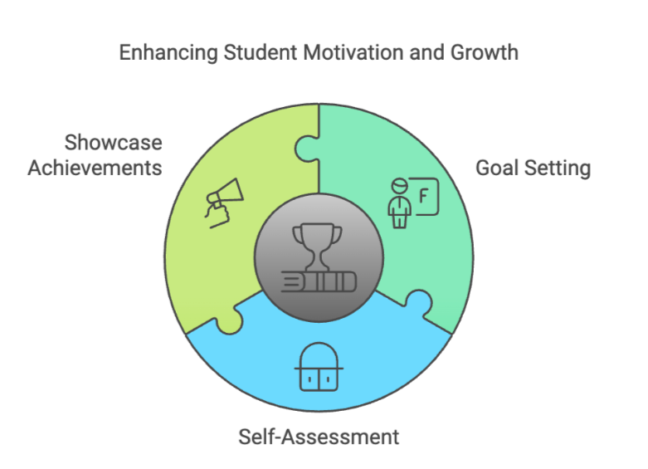
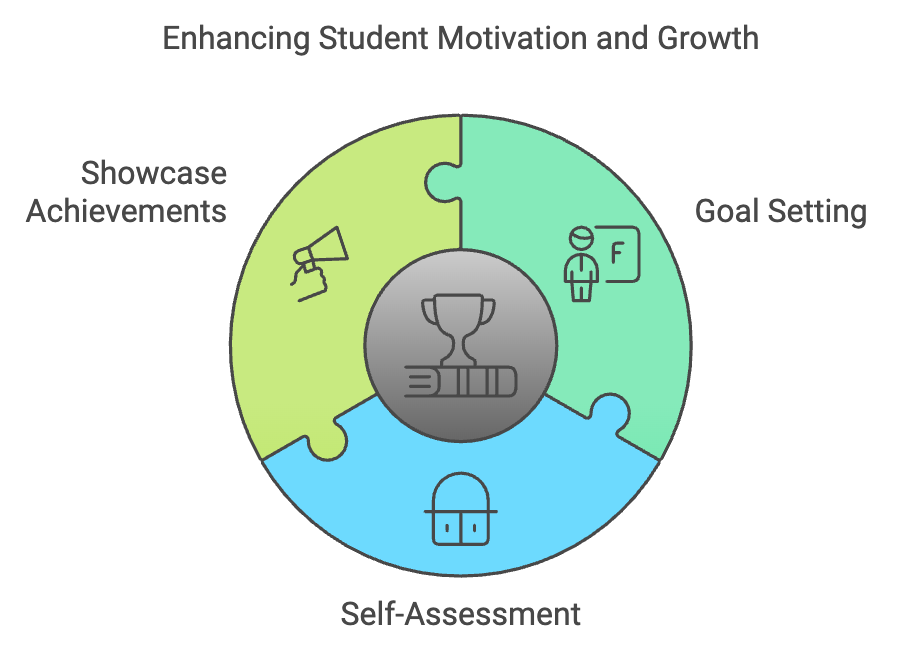
  • Goal Setting: Encourage students to set personalized learning goals at the beginning of the year. Discuss the WHAT & HOW behind the goals they set. 
  • Showcase Achievements: Celebrate student accomplishments by featuring their best work in their portfolios. This boosts language confidence and encourages future effort. I love being able to pull a students’ portfolio during parent-teacher conferences! 
  • Self-Assessment: Incorporate opportunities for self-assessment throughout the year. This allows students to reflect on their growth and identify areas for improvement. Here is a self & peer assessment for the writing prompt: Who Am I
portfolios

Digital portfolios offer an easy, personalized space to showcase their growth and achievements. By collecting a variety of writing and speaking artifacts digitally and having students reflect on their learning journey, they can develop a much deeper understanding of their progress and look back at any time. I like to use a Google Form to collect all of the URLs of my students and you can view a sample here. Make sure students change their digital portfolio sending to “anyone with a link can view”. 

Learner Surveys: Understanding Individual Needs

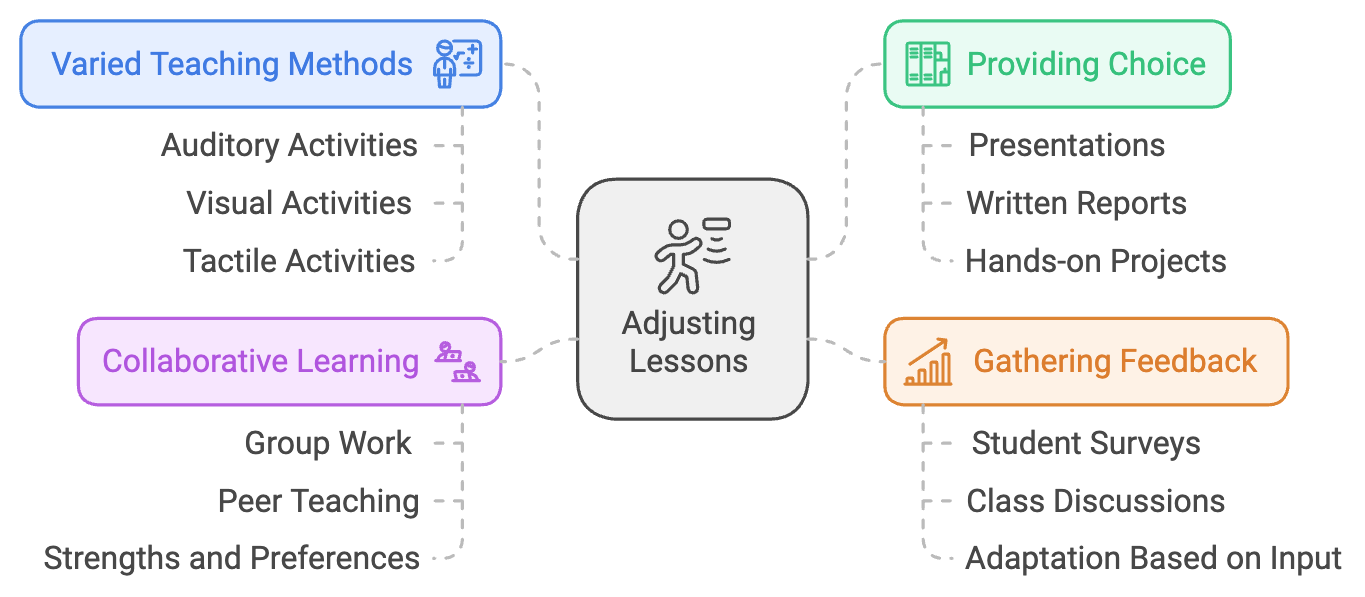
Are your students auditory, tactile or visual learners? Surveying students can provide insight into their different learning styles, interests, and goals. By gathering this information, we can tailor our instruction to meet their individual needs. Here are a few websites that I have used to determine which type of learner I have in my class. This is one way to collect data about your students and as a result, monitor & adjust my future lessons according to these learning styles. 

Another way to learn about your students is to simply administer a survey to “get to know them” and their preferences! I like to learn about a students’ interests, self assess on their Spanish speaking/writing/reading/listening abilities and any obstacles and/or future goals they may have for themselves at the start of the school year. I also like to tap into which units of study are of interest and certain in-class activities they prefer. 

Here are a few sample Google Form surveys to get to know my students throughout the school year and gather insight on their preferences. 

By starting off the year with a language growth goal in mind, at the midway point in the year, I like to one on one conference with students to see whether or not they have met the language goal they had proposed and if they haven’t or are still working towards it, they are then asked to state at least two actions that are reasonable and realistic to help them attain this goal by the end of the school year. It also provides insight to administer a similar survey at the midpoint in the school year and again at the end of the year. 

One on one conferencing or conferencing with students in small groups can go a long way. I highly encourage you to set up appointments with students during the first three weeks of school, mid year point and again at the end of the year. I ask students to schedule themselves over that time period using a Google Doc (sample). Even if this means that I only meet with one or two students each time we have class, this ensures that I dedicate quality time in getting to know my students and discussing their progress in my class. 

Building Relationships Through Communication

Effective communication is essential for building trust and rapport with students. Here are some strategies to foster positive relationships:

  • Open-Door Policy: Maintain an open-door policy to encourage students to seek help and support whenever needed.
  • Active Listening: Practice active listening to demonstrate that you value students’ perspectives and concerns.
  • Ongoing Written Communication & Reflection: Students have composition notebooks that serve as a weekly reflection. 
  • Positive Reinforcement: Provide positive feedback and encouragement to reinforce students’ efforts and achievements.

Students also have composition notebooks that serve as their “Yo aprendí” journals. These notebooks are used at the end of every week and students reflect about their progress in class. They add to these notebooks on a weekly basis (beginning classes in English, one paragraph) and I am able to communicate with students directly by adding my own notes and insights on their reflections. We go back & forth each week – so I am always corresponding with students in a low-stakes way about how they feel, what they did well and any goals they have for the next week ahead. 

We all understand that it is important to get to know our students and begin to forge relationships right from the first day. By developing strong connections with students, classroom teachers are able to establish climates of respect and mutual understanding in caring, nurturing environments, where student success is celebrated {no matter how big or small!} and learning becomes contagious.

How will you start strong this school year?

Headin’ Back-to-School with GenAI

GenAI

by Noemí Rodríguez (LTL Contributor)

The title of this blog post may make you feel like an actual person is walking alongside you – as you re-enter the school building in the coming days or weeks! The truth is, Generative AI has so many possibilities to ASSIST educators, it is no longer an option to ignore it.

Those first few days back can be very stressful and while Generative AI (GenAI) can’t set up your classroom for you – it CAN design a welcome letter, back-to-school night presentation or set up a solid seating chart! Generative AI just tipped it’s hat forward, did a little dance and walked in as your new, powerful, strong ALLY {*cue the visual in your mind} – helping to navigate the complexities and many tasks in preparation of a new school year.

It’s Time to Train Your GenAI Ally!

Generative AI (GenAI), with its ability to process information rapidly and generate human-like text, offers a wealth of possibilities for educators. Let’s explore how this technology can revolutionize your back-to-school preparation in the coming weeks.

Streamlining Classroom Management

  • Seating Charts: First and foremost, our student’s privacy is of utmost importance. When writing prompts or asking your LLM of choice to assist you with a task- DO NOT INCLUDE IDENTIFIABLE INFORMATION! Use initials or first names only! The key is not to provide any of these LLMs your personal information or anyone else’s – be strategic in the precision of your prompt! When designing a seating arrangement for your classroom, you need to consider each of your student’s learning styles and ensure that they are seated to succeed. You can provide a general overview of your class such as: “Create a seating chart for a Spanish 2 class of 25 students, considering language proficiency levels and learning styles.” or provide a specific parameters to include a fairly anonymous student list, classroom layout, student preferences such as: “Arrange my students in a 5×6 seating chart in a table format, considering the following preferences amongst my Spanish 2 students- special seating requirements include: AG needs to sit near the front, BB and CH do not work well together, DP needs to also sit near the front near AG, HD is chatty and should not sit near GR, AG or JV, PR requires a door nearby.” Using a LLM like Gemini makes it easy to export into Google Sheets for future reference and or/adjustments in the future.
  • Attendance: Avoid the traditional roll call in those first few days of school. Instead consider a fun, easy warm up for your students to introduce themselves to the group. This will allow students to say their own {preferred} names AND it gives you a chance to hear how they would like their name pronounced. As someone who dreaded the roll call – class after class – it always felt like nails on the chalkboard when they mispronounced my first name {or sometimes made a joke about “never winning an Emmy“} A student’s name is tied to their identity and it is so critical to ensure that they are made to feel welcomed and valued in those first few days together. You can ask your LLM of choice to provide a variety of fun ways to introduce one’s self on the first few days with this prompt, “It is the first few days of school and you are a Spanish teacher, getting to know each of your new students. You would like for students to quickly go around the room to state their name and introduce themselves by selecting ONE word that best describes themselves, their interests, their summer vacation, etc. Come up with a list of at least twenty different fun introductory topics for students to highlight something about themselves using just one word.

Building Community and Engagement

  • Welcome Letters: Wondering how to jazz up your “welcome back” letter? AI can help draft a general welcome letter that you can customize. Try this prompt: “Write an engaging, kind and sincere welcome letter to Spanish 2 students emphasizing the importance of language learning in today’s globalized world. Outline the course’s focus on conversational fluency, cultural competence, and critical thinking skills. Clearly communicate expectations regarding class participation, homework completion, and assessment methods. Include a brief overview of key course themes or units to generate excitement and anticipation. Limit to 500 words.”
  • Syllabus Development: While your expertise is invaluable in crafting a meaningful syllabus, AI can assist in generating initial drafts. Head over to Canva (snag your free educator account if you don’t have one yet!) and browse through their array of templates. You can also provide your LLM of choice, your course goals, learning objectives, and grading policies, and it can create a basic outline. “Write a syllabus for a Spanish 1 course focused on conversational skills, with a grading breakdown of 20% daily preparation, 60% evidence of learning through the modes of communication: interpersonal, interpretive, presentational, and 20% Integrated Performance Assessments”
  • Get-To-Know-You Icebreakers: Building strong relationships with students and building a community in your classroom from the start is crucial. Generative AI can provide a variety of icebreaker ideas tailored to your class level and interests. For example, “Create 5 icebreaker activities for a French 3 class focused on getting to know one another, discussing summer vacation and personal interests.” Check out this Would you rather? (English / Spanish) resource created thanks to Canva + Bulk Create.

Enhancing Back-to-School Night

  • Ideas for Back to School Night: If you are looking to change up your upcoming Back-to-School night presentations with parents & guardians, why not ask your personal assistant to help brainstorm new ideas? Try this: “Provide at least three different back to school night activities (no more than 3 minutes) each that I can facilitate with my group of parents and guardians from my German 2 High School Class.
  • Presentation Slides: It’s easy to create a captivating, informative slideshow! There are many AI slideshow tools out there to help educators, such as Canva, SlidesAI, Almanack.ai or Gamma. Provide AI with key points and desired visuals, and it can generate a basic framework – it provides a wonderful starting point that you can refine and make your own. For example, “Create a PowerPoint slides outline for a Spanish 1 back-to-school night presentation highlighting course goals, materials, and assessment methods.

Tips for Using Generative AI (GenAI)

It’s essential to use GenAI wisely and begin training. You can ask your LLM of choice – “Ask me 20 questions to better understand my role in education.” Once your LLM poses the questions and you reply thoughtfully, it will have this very insightful information moving forward.

Here are additional tips when prompting your LLM of choice:

  • Provide Clear Instructions: The more specific your prompts, the better the AI’s output. Strategic precision is key.
  • Review and Edit: AI-generated content is a starting point or a first draft. Always review and refine to ensure accuracy of what is created and alignment with your teaching style- make modifications to better fit your needs.
  • Maintain Authenticity: Use AI as a tool to enhance your work, not replace it. Avoid blindly copy/pasting.
  • Ethical Considerations: Be mindful of copyright and plagiarism issues when using AI-generated content. Cite AI

By harnessing the power of generative AI, language teachers can reclaim valuable time and focus on what truly matters: connecting with students, ensuring that classrooms are a source of joy and designing incredible learning experiences with language acquisition at the core.

Remember, it’s essential to maintain our human connections in our classrooms. Your passion for language learning and your ability to connect with students are qualities that no AI can replicate.

GenAI

Looking to dive in deeper with GenAI?

Here is where I would LOVE to continue to help support your AI literacy journey as a language educator! I have set up a membership-based learning community exclusively for language educators: The AI Innovator Community for Language Educators (with monthly GenAI workshops, access to five asynchronous courses, a quarterly newsletter with insights, private Innovator community discussion space), I also share often within our Team Lo Logramos FB community, and designed a variety of courses.

Take advantage of this partnership between Lo Logramos Consulting and Language Teaching Lab – Get a $5 off discount when you use the code LTL5 at checkout, exceptions may apply

Lo Logramos does accept School POs, so feel free to reach out! team.lologramos@gmail.com

My Roots, My Heritage

heritage my roots, my heritage

If you follow the blog, you may have read  R.E.S.T., which stands for relaxing, engaging, serendipity, and trying new things. The “S” for serendipity was for me the highlight last month as I ended up visiting the house of my ancestors (on one side of the family) that dates from the 1700s. It moved me more than I expected and that is how I decided to focus this month on My Roots, My Heritage. 

Past, Present, Future

The phrase “Don’t forget where you came from” took a whole new meaning to me. It made me see the past reflected in the present and moving towards the future. All I am now is in part the fruit of the values, beliefs, courage, and hope of my ancestors as well as my own experiences that constantly shape who I am. Learning about our roots is necessary in building our future. 

Heritage

As educators, we celebrate ‘Heritage Months’ throughout the year to acknowledge and recognize those who came before us and their contributions. According to the Cambridge dictionary, ‘heritage’ is “the history, traditions, practices, etc. of a particular country, society, or company that exist from the past and continue to be important.” 

Another definition found in Family Heritage Blog states “Heritage is a person’s unique, inherited sense of family identity: the values, traditions, culture, and artifacts handed down by previous generations. We absorb a sense of our heritage throughout our lives as we observe and experience the things that make our family unique.” 

In celebrating our roots, we get to understand our world and ourselves better. It helps us reflect on our identity, our voices, and our future, as well as the identity and the voices of those who surround us. 

heritage

LTL Blogs on Identity and Heritage

At Language Teaching Lab we have explored topics related to heritage, roots, and identity in several of our articles such as,

As language educators we have the opportunity to navigate the topic ‘heritage’ in our class for students to understand themselves better as well as understand their place in the world, all while exploring their heritage and roots. 

Proficiency Levels

At the same time, we can aim at teaching ‘My Roots, My Heritage’ from an early age and proficiency level. Students progress from the Novice to the Intermediate proficiency levels by answering questions on the topic, such as,

  • What is your name/last name?
  • Why is that your name/last name?
  • Are there any other members of your family you share your name with?
  • Where were you born? 
  • What does the word ‘ancestor’ mean? Who are your ancestors?
  • Where were your ancestors born?
  • What do you know about your family history? 
  • What are your family traditions? Talk to your family and find out!
  • What food is a tradition in your family? When do you have it? How do you have it? With whom?
  • What is your grandparents’ traditional food?
  • Do you know what your grandparents’ grandparents’ traditional food was? You may want to expand traditions regarding celebrations, books, types of music, clothing, flowers, places, etc. You get the idea!)
  • What do you do every day? 
  • Do you know what your ancestors did every day? How can you find out?
  • What is important to your family?
  • Why is it important to understand where you come from?
  • Why is it important to connect to your roots?
  • How does heritage shape your identity?
  • How do you describe your heritage?

I invite you to think about your own roots and heritage and those of your students, to help find our uniqueness and our common humanity.