Book Review Summer Contest / Concurso de verano de reseñas de libros

by María Martínez (LTL Contributor)

Book review contest with prizes for winners

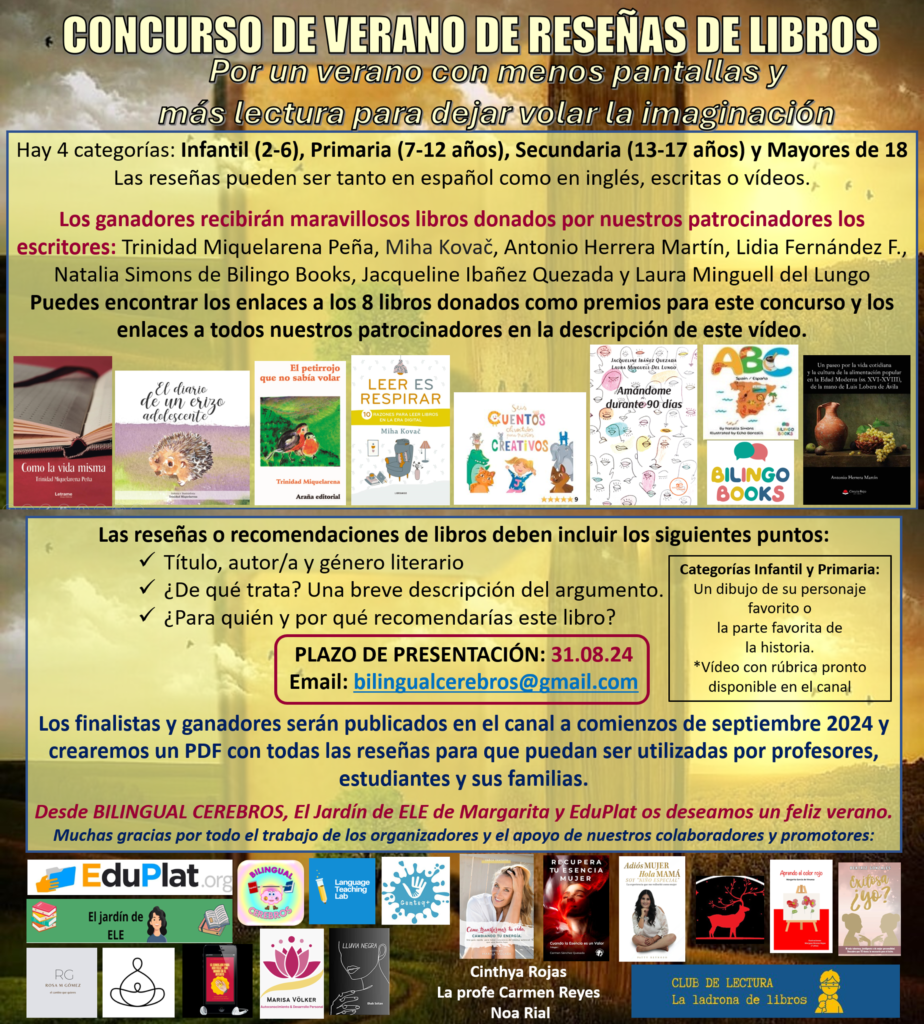
Here’s to a summer with fewer screens and more reading to let your imagination soar!

A contest for all ages with 4 categories: Infant, Primary, High School, and Over 18. With prizes for the winners donated by fantastic writers that will make your imagination fly. We invite you to participate and share with your friends and family.


Concurso de reseñas de libros

¡Por un verano con menos pantallas y más lectura para dejar volar tu imaginación!

Un concurso para todas las edades con 4 categorías: Infantil, Primaria, Secundaria y Mayores de 18. Con premios para los ganadores donados por fantásticos escritores que harán volar tu imaginación. Anímate a participar y comparte con tus amigos y familiares.

Las reseñas o recomendaciones de libros deben incluir los siguientes puntos:

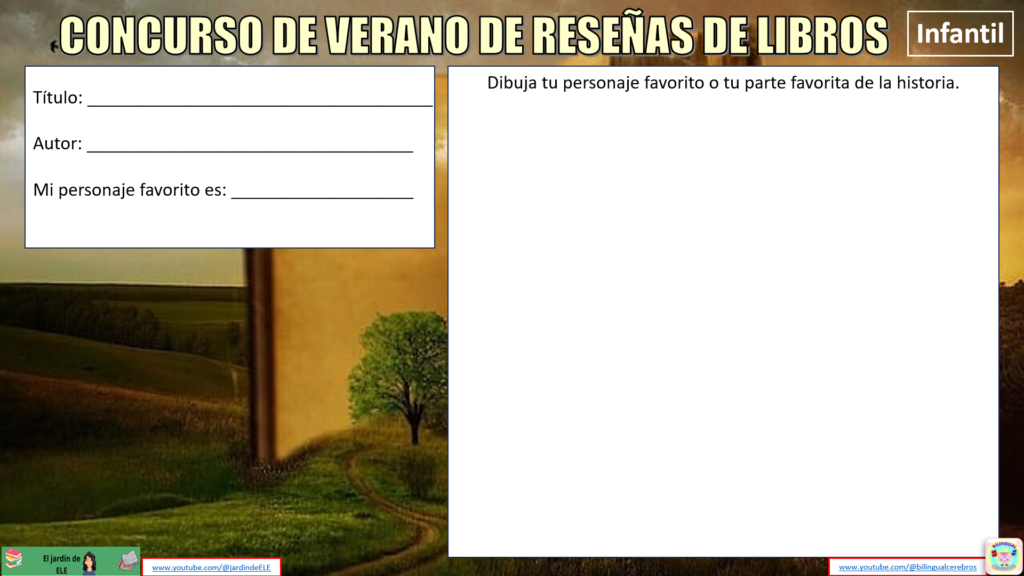
Infantil:


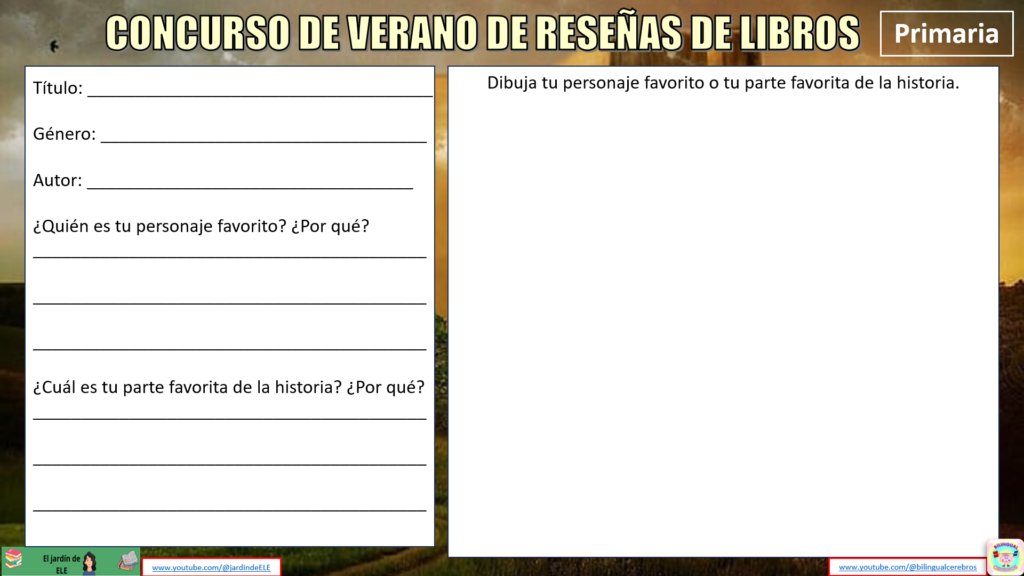
Primaria

Plazo de presentación:

31 de agosto de 2024

Email: bilingualcerebros@gmail.com


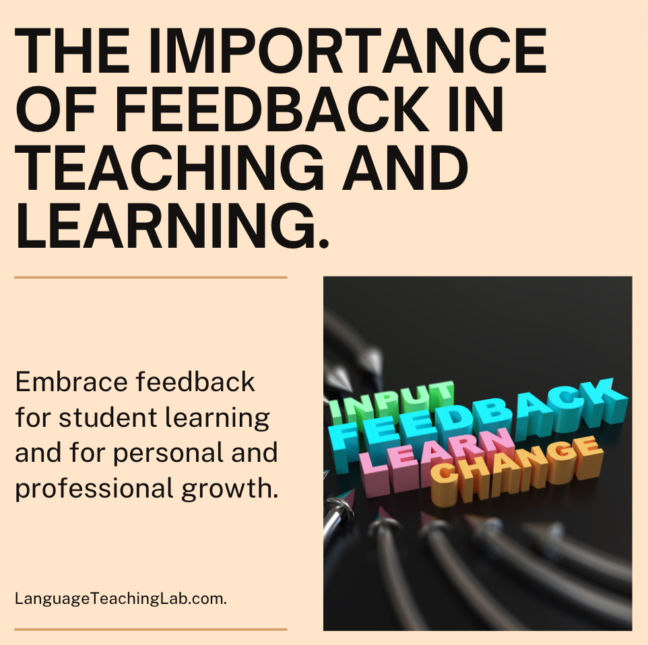
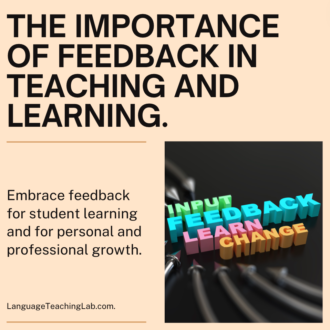
Meaningful Feedback is Critical for All 

https://languageteachinglab.com

by Noemí Rodriguez (LTL Contributor)

Feedback is essential to the learning process, whether we seek it or we receive it. 

Learning and teaching are incredibly dependent on feedback. What opportunities do you provide for your students to receive feedback and reflect? And, as an educator, how do you seek feedback from your colleagues, administration or students to enhance your lessons?

In my classroom, I create opportunities for students to receive feedback through individual conferences, peer review activities, and self-assessment exercises. This allows them to reflect on their strengths and consider actionable next steps to assist themselves in their language development. And, as a language educator, I actively seek feedback from my colleagues, administration, and my students to refine my teaching methods and ensure my lessons are engaging and effective.

https://languageteachinglab.com

Feedback for Teachers

Teachers can welcome their students at different points in the year, to share their own (anonymous) comments about how the class is organized and running. Teachers can set up online surveys or a Google form, to have this feedback take place in an environment where students feel comfortable to share their honest opinions.

Another idea that comes to mind is with a professional development model of teachers learning from teachers. Using whichever evaluation model a local district has put into place, teachers can observe each other’s lessons and provide realistic feedback as to what they feel went well during the lesson and what maybe did not go so well. Teachers can help each other by targeting specific goals that they may have for themselves. Teachers can also learn new strategies and techniques from each other, by watching model lessons and providing constructive criticism to one another. 

When you create an environment that is structured around meaningful feedback it also involves self-reflection. As teachers begin to reflect on their own practices, they can provide feedback to themselves by taking a closer look at their lessons, assessments and techniques used to engage student learning. Posing a different question/comment each month for a teaching staff to consider, may be a good starting point. Then, allowing for the articulation of these self reflective ideas & practices during department meeting time, may allow for these professionals to really make meaning of what they do each day and realize whether or not it is deemed to be effective or how it can be improved. 

*The TELL Project also offers an array of self-reflection tools for language educators. 

Feedback for Students

Providing one on one feedback to our students is so valuable to their learning and progress in language proficiency. In a world language classroom, rich feedback goes beyond simply correcting grammar mistakes. It offers specific and actionable guidance. When a teacher can pinpoint exactly where a student stumbles, they can provide targeted suggestions for improvement. This might involve recommending vocabulary that better expresses the student’s intended meaning, or suggesting alternative sentence structures for greater clarity.

I often ask students to be self reflective in their study of the language at the beginning and at the end of a unit of study. Rich feedback also acknowledges strengths and celebrates progress. By highlighting areas where a student shines, the teacher fosters confidence and motivates continued effort. This well-rounded approach to feedback empowers students to become more strategic and self-aware language learners.

AI Tools

There are now several AI Tools that can assist language teachers provide rich feedback to students. 

Briskteaching Under the “Feedback” tab, teachers can use Targeted, Glow & Grow,  Rubric Criteria or Next Steps as different ways to provide feedback on written submissions 

Curipod  – Check out the AI generated feedback & reflection components that can be added to slides

Microsoft Immersive Reader or HelperBird Chrome ExtensionBoth tools provide students the opportunity to listen, practice reading out loud and gain feedback on their pronunciation skills

MizouGenerate a language tutor chatbot for your students to connect in real-time about any topic and further their understanding. The same chatbot can serve as a rich source of feedback. 

PadletStudents and teachers can use a tool like Padlet or Google Drive as a visual digital portfolio space for ongoing additions and collaborations throughout the school year. 

Students can self-reflect at several points in the school year as well. I appreciate when students set goals for themselves at the start of the school year, we have a one on one mid-year check in meeting and an end of the year student reflection. A student slideshow, Google Form or creating a vision board as language learners are all great ways to gauge self-reflections. 

Feedback acts as a personalized roadmap, guiding students towards fluency and accuracy. By offering specific suggestions, acknowledging strengths, and fostering self-reflection, teachers can empower their students to take ownership of their learning journey. A continuous cycle of feedback and improvement paves the way for students to confidently navigate the complexities of a new language. 


LoLogramos – Get a $5 off discount when you use the code LTL5 at checkout, exceptions may apply

Last Quarter of the School Year in a MS World Language Class

I don’t know about you but the last quarter of the school year in a Middle School world language class is at the same time the most rewarding and the most challenging of all.

It is the most rewarding because you start sowing the fruits of your teaching. Students speak more, write more, and understand more. They feel empowered by their language growth.

At the same time, after spring break, I usually find my middle school students more active than earlier in the year. So what do I do? I embrace life’s flavors and indulge in the richness of the moment.

Throughout the year and definitely during the last quarter of the school year, I plan tasks that will let me embrace and indulge the flavors and richness of my students. Though not new, let me share four of the many ‘tasks I might use in the last quarter of the school year. They include collaboration, poetry and movement, singing and making connections, and dramatizing a reader’s theater. 

https://amzn.to/4bpgQ3r

Last Quarter: Magnetic Poetry

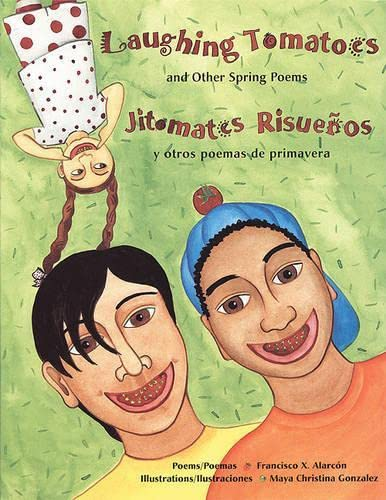
After reading poems from the book Laughing Tomatoes: And Other Spring Poems / Jitomates Risuenos: Y Otros Poemas de Primavera by Francisco X. Alarcón, students collaborate with students in the same or in other classes or with students in other schools to write a ‘magnetic poem’ together using Build-your-own Online Magnetic Poetry Kit.

The Magnetic Poetry Collaboration Plan explains how to bring out the best flavors and richness of students while having fun creating poems.

https://amzn.to/3wq3oNV

Poetry off the Page

Through Poetry off the Page based on Glenis Redmond‘s workshop at the Kennedy Center, students learn how to best recite poems using their whole body through

  • positioning themselves to recite by planting their feet on the ground
  • projecting their voice to be heard
  • personalizing a poem (make it theirs through movement and gestures), and
  • doing it with purpose

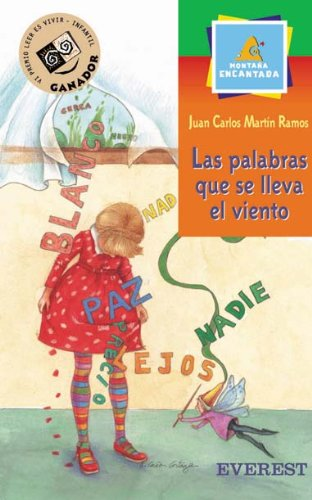
The poem ‘Paisaje en el tintero’ by Juan Carlos Martín Ramos in Las palabras que se lleva el viento is a wonderful one to implement Poetry off the page successfully. The poem also has an important message for students about their own active role in building their future and that, even if they fail, they can start again. 

https://amzn.to/4blzskT

Last Quarter: Songs and Music

I enjoy teaching the song ‘Mundo agradable’ by David Lebon and I even created a plan in case you want to include it in your curriculum. I also explain the process in a video. 

Among other things, students,

  • Describe and explain what the phrase “Mundo agradable” means based on individual drawings about their ‘mundo agradable’
  • Explain what they like about a song and how it makes them feel
  • Give opinions about the artists and/or the song
  • Explain which verse is their favorite and why
  • Explain how the song connects with what they know
  • Connect the song to the Sustainable Development Goals, the Human Rights or other topics or themes 

We go deep into the song and we enjoy Latin American rock in the process!

Reader’s Theatre

Jill se pone en forma. It is a reader’s theater I use when doing the unit on ‘Health and Wellbeing’ as the book is about some ‘body parts’ who are concerned about Jill not being fit. The body parts collaborate in making Jill get fit. It is short and sweet but funny at the same time as the story is told from the ‘body parts’ perspective. 

last quarter of the school year https://languageteachinglab.com/voices

Try one or Try them all

Some students shine when collaborating using technology and moving the ‘magnets’ on the virtual fridge. Others embrace the drama of the poetry off the page and their acting transmits energy. Some enjoy the singing and the beat of a song in another language. A bunch indulge in the richness of a reader’s theater that allows them to express themselves in the shoes of a character.

All this while describing, explaining, comparing, giving opinions, and asking questions in the language. I am always at awe to hear the connections students make among the different resources I use in class. Give it a try! It is absolutely worth it to embrace life’s flavors and indulge in the richness of the moment. Moreover during the the last quarter of the school year.  

Lo tuyo es puro teatro: expresiones útiles (in Spanish)

By Ramón Clavijo (LTL Contributor)

El teatro nos ha dado gobernantes arbitrarios, criados sin escrúpulos, príncipes atormentados y amantes irracionales. Pero también nos ha dado expresiones con las que describir situaciones, valorar comportamientos o juzgar actitudes. Conocerlas les permitirá a tus alumnos incrementar su léxico y acercarse aún más a la lengua cotidiana, así que, ¿por qué no enseñárselas?

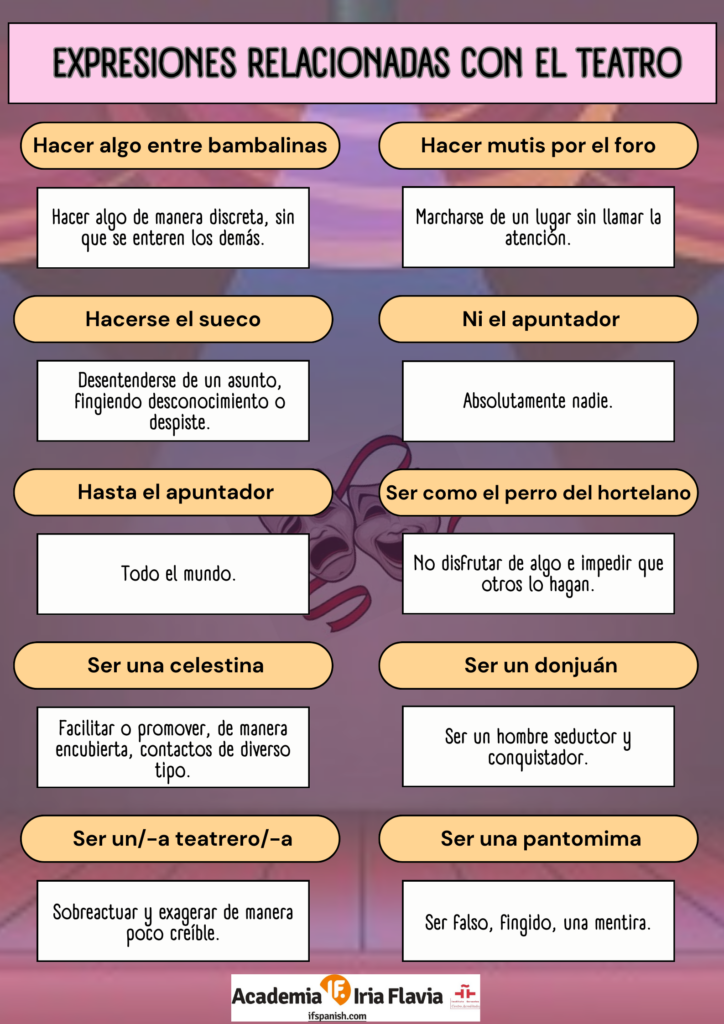
Algunas de ellas se refieren a elementos escénicos. Pensemos, por ejemplo, en las bambalinas, lienzos entre los que se oculta al público el trasiego de personal durante la representación de una obra. Por ello, decimos que hacemos algo entre bambalinas cuando lo hacemos de forma discreta, para que no llegue a conocimiento de los demás 🤫.

Quien también permanece oculto al público es el apuntador, persona que, situada en una posición estratégica en el escenario, se encarga de dictar el texto a los actores cuando estos olvidan alguna de sus líneas. Su función suele pasar desapercibida 😶‍🌫️, de ahí que se emplee su figura para exagerar la ausencia o presencia de personas en una determinada situación; y así, decimos que a tal o cual acto no fue ni el apuntador o, al contrario, que fue hasta el apuntador.

También podemos encontrar expresiones que hacen referencia a la actuación de los actores y actrices sobre el escenario. Así, por ejemplo, decimos que alguien hace mutis por el foro cuando abandona un lugar sin llamar la atención, en alusión a la salida que los actores hacen del escenario cuando así se lo exige el guión🚶‍♂️.

Si alguien hace mutis por el foro, quizás lo haga para eludir responsabilidades. Otra manera de eludirlas es hacerse el sueco, en referencia a los cómicos del teatro romano, quienes calzaban unos zuecos llamados soccus, y de los que se dice que permanecían impertérritos cuando eran increpados por el público, de ahí que usemos esta expresión para hablar de alguien que trata de desentenderse de un asunto haciéndose el despistado 🤷‍♀️.

Y ya que hablamos de actuaciones, cuando queremos censurar un comportamiento exagerado, falso, no creíble 🧐, podemos considerarlo una pantomima y calificar a quien lo realiza como una persona teatrera 👺.

Por último, algunas de estas expresiones también contienen referencias a obras de teatro o a sus personajes. En este sentido, son perceptibles las alusiones teatrales en ser una celestina o ser un donjuán. Y a ellas podemos añadir al perro del hortelano 🐶, que ni come ni deja comer, o dicho de otra manera, ni disfruta de algo ni permite que otros lo hagan.

Nosotros no vamos a terminar esta entrada haciendo mutis por el foro, sino que lo queremos hacer recordándote que más abajo incluimos una infografía que puede ser útil para tus clases 👇. Igualmente, te pedimos que no te hagas el sueco y no permitas que estas expresiones se queden entre bambalinas y que no las conozca ni el apuntador. ¡Enséñaselas a tus alumnos!

Lo tuyo es puro teatro https://ifspanish.com/en/