‘Teacher Talks’ for World Language Educators

teacher talks

The Teacher Talks for World Language Educators is a space and a time to discuss specific topics related to the what, how, and why of language teaching and learning. 

As educators, we thrive when we collaborate. At LTL we asked:

  • How might we benefit from talking with other world language educators?
  • How might LTL Teacher Talks help world language teachers learn, connect with other educators, and grow in their personal and professional lives?

October Teacher Talks

Let’s see a specific example. For October, the Teacher Talks theme was “How to finally change a habit, keep a resolution, or make a dream come true.” If you start the school year in the month of September, October is the perfect time to set goals for ourselves and our classes. It is a time to think about what needs to change and how to make it happen. The theme for the Teacher Talks of the month was based on the book: This Year I Will… by M.J. Ryan.

Journal Writing for Teacher Talks

Our Teacher Talks in October began by reflecting on the following:

  • What is something/ a habit that you would like to change?
  • How can we start and keep a resolution?
  • How can we make a dream come true?
  • How can you apply what we do in the Teacher Talks today in your classes?

Pause a second and think about these questions. I invite you to answer these questions in your journal. We will revisit them later.

This Year I Will…

For those of you who have not read the book, let me explain a little about how the book is organized. It has three sections and each section has short chapters. The sections are:

  • Preparing to change
  • Getting into action
  • Keeping going

Preparing to Change

In the section ‘preparing to change’ the titles of the chapters that caught my attention were:

  • What is the price of not changing?
  • No time is the perfect time to begin
  • Believe you can do it

It is true. We need to first believe that we can make change happen. Then, we need to realize that there is not a ‘perfect’ time to start the journey. But, have you ever reflected on “What is the price of not changing”? When I read about this idea, I sprang into action.

Getting into Action

In the second section, called ‘getting into action’, the chapters that spoke to me the most were.

  • Put yourself under contract
  • Do a post-game review
  • One day at a time

These are self-explanatory, right?

Keeping Going

The section ‘Keeping going’ is the one that spoke to me the most, especially the title “You can’t change what you’ve done, only what you will do,” was an eye-opener for me.

We must indeed keep going as we cannot change what we have done. Many times when we set goals we end up derailing from them. Thinking that we can change what we are going to do is key to getting back on track. It helps us start again each time we fall! So true!

The other chapter that was an eye-opener to me was ‘Look at the Character Strengths you’re cultivating.’ On page 196 of the book it says,

“I say changing anything in ourselves, no matter how small, is a powerful act. Through it we grow aspects of ourselves we would not otherwise develop. That is because character strengths are formed through some kind of challenge, a rising above our limitations.” 

How important it is for ourselves and for our students to realize that the smallest of changes towards our goal is building character strengths! 

Character Strengths

I invite you to read the list below and think about your goal (the one you came up with by reflecting on the questions earlier).

What are the character strengths you will be (if you have not started), or you’ve been cultivating as you work the change? Think of your students. How can you help them develop these character strengths? How important are these character strengths when learning a world language? How might building these character strengths move students forward in their proficiency level?

  • Self-regulation
  • Self-trust
  • Resilience
  • Determination
  • Humor
  • Compassion
  • Humility
  • Patience
  • Forgiveness
  • Courage
  • Strength
  • Drive
  • Persistence
  • Hope
  • Faith

This list is not exhaustive. It might help us and our students realize that small steps towards changing what we said was important to us help us build and grow our character strengths. How important might ‘courage’ or ‘patience’ or ‘determination’ be when learning a language?

Finally, on page 200 we read a short but important phrase:

“Stop, acknowledge your progress, and celebrate your success.”

I wondered… How can we do this regularly? For ourselves? For our students? Why is it so important?

Teacher Talks for All Language Educators

Join us for our next Teacher Talks (whether you have read the resources or not). We will learn from each other, connect, and it will help us move forward!
… Y los sueños, sueños son

sueño

by Ramón Clavijo (LTL Contributor)

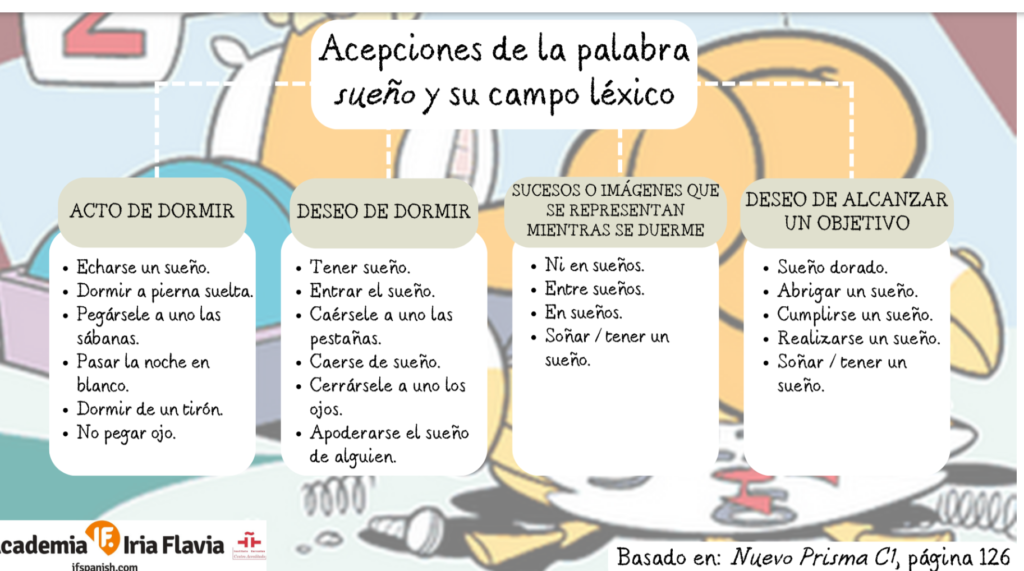
Hace años tenía un montón de sueños. Ahora lo que tengo es sueño 😴 y un montón de años… Es posible que alguna vez hayas leído esta frase entre las muchas que, a modo de chanza, podemos encontrar por la red. Pero más allá de su pertinencia para crear algún meme gracioso con el que asumir de manera jocosa las consecuencias del paso del tiempo en nuestras vidas, dicha frase pone de manifiesto la versatilidad de la palabra sueño en español.

En efecto, a diferencia de otras lenguas romances, la evolución etimológica nos ha dado a los hispanohablantes una mayor pluralidad en cuanto a las acepciones de sueño, palabra con la que podemos designar tanto la necesidad fisiológica de dormir como las escenas que se representan mientras dormimos, así como los deseos o anhelos que nos motivan a buscar nuestras metas.

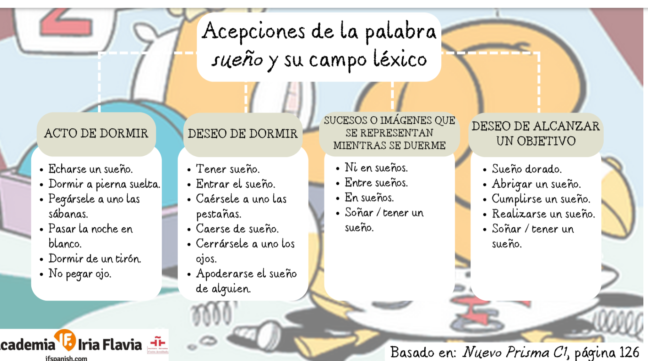
Asimismo, según el significado que transmita, sueño va asociado a diferentes verbos y expresiones, incluyan o no la palabra. Dicho de otro modo, su campo léxico es muy amplio, pues está formado por numerosas expresiones, modismos y combinaciones léxicas que usamos en nuestro día a día y que tus estudiantes deberían conocer. Por ello, con esta entrada, incluimos una infografía en la que podrás encontrar algunas de estas expresiones.

Dichos significados, al igual que las implicaciones socioculturales que conllevan, están presentes en numerosos manuales de español en diferentes niveles. Así pues, nos gustaría hablarte de algunos de ellos, por si te pudieran resultar útiles para tus clases. Sin embargo, para no alargar demasiado esta entrada y evitar que se te cierren los ojos mientras la lees 😪, dejaremos dichos recursos para nuestra próxima publicación, abrigando el sueño de que la leerás con tanta atención como esperemos que hayas leído esta.

Teamwork – Las 5 C de trabajo en equipo

teamwork

by Justa Rebollo Paz (LTL Contributor)

Trabajo en equipo

“La unión hace la fuerza…” 💪🏼y para que una empresa, un colegio o un grupo de personas que trabajen hacia un mismo fin, es necesario tener en cuenta LAS 5 “C” famosas del trabajo en equipo. 

Veamos….

1- COMUNICACIÓN: los mensajes tendrán que ser claros, las consignas completas y no ambiguas. Expresar ideas con claridad. Los líderes deben ser transparentes y brindar toda la información para que su equipo funcione con agilidad, sin tropiezos ni dudas en el camino.

2- COMPROMISO: es tarea del líder brindar información y hacer conocer, con claridad, las tareas de cada integrante del equipo. Habrá tareas individuales y tareas comunes a varios miembros o a todos, pero deben ser expuestas, explicadas, y si fuera por escrito, y firmado, ¡mejor! Es esencial motivarlos de manera constante para que el compromiso con sus tareas, con la empresa y con los compañeros de equipo, crezca paulatinamente.

3- CONFIANZA: La confianza es clave en todo equipo. Confiando en cada uno podemos delegar con tranquilidad, sabiendo que se va a hacer lo mejor y siguiendo las metas grupales. Pero a priori debemos confiar en nosotros mismos. Así podremos entonces, confiar en los demás. Y si le agregamos el plus, de hacerle saber a cada uno, que tenemos confianza en el/ella, y en su tarea…. ¡mucho mejor! 

4- COMPLEMENTARIEDAD: si todos los miembros del equipo tuviéramos las mismas responsabilidades, nos pisaríamos en nuestro trabajo cotidiano y trabajaríamos casi sin sentido. Poder delegar tareas y distribuirlas a todos los miembros del equipo, destacando sus fortalezas, hace un equipo más complementario y eficiente. Aun haciendo la misma tarea “visible”, si el enfoque o la mirada va por diferentes caminos, podemos complementarnos y sacar mejores frutos.

5- COORDINACIÓN: Una buena coordinación de un líder entusiasta y que trabaje codo a codo con el resto del equipo, es clave. En un grupo de personas siempre hay tantas opiniones como personas…. o casi. Por lo tanto, es clave que el líder tome la batuta y tenga la última palabra. También en cuanto a delegar y distribuir tareas, roles y funciones. También al motivar. También al modificar tareas. También al exigir (o indagar previamente) cuando alguno flaquea un poco…

Ahora te pregunto…
❤️Se respetan todas por igual?
❤️Se fomentan?

https://educar-a-consciencia.webnode.page/l/trabajo-en-equipo


Teamwork

“Unity is strength…” 💪🏼and for a company, a school or a group of people to work towards the same goal, it is necessary to take into account THE 5 famous “C” of teamwork.

Let’s see….

1- COMMUNICATION: the messages will have to be clear, the instructions complete and not ambiguous. Express ideas clearly. Leaders must be transparent and provide all the information so that their team works with agility, without stumbling blocks or doubts along the way.

2- COMMITMENT: it is the leader’s job to provide information and make known, clearly, the tasks of each member of the team. There will be individual tasks and tasks common to several members or all, but they must be presented, explained, and if it were in writing, and signed, better! It is essential to motivate them constantly so that the commitment to their tasks, to the company and to their teammates, grows gradually.

3- TRUST: Trust is key in every team. By trusting each other, we can delegate with confidence, knowing that we will do the best and following the group goals. But a priori we must trust ourselves. Then we can trust others. And if we add the plus of letting each one know that we trust him/her and his/her task… much better!

4- COMPLEMENTARITY: If all team members had the same responsibilities, we would step on each other’s toes in our daily work and work almost meaninglessly. Being able to delegate tasks and distribute them to all team members, highlighting their strengths, makes a more complementary and efficient team. Even doing the same “visible” task, if the focus or the view goes in different directions, we can complement each other and get better results.

5- COORDINATION: Good coordination by an enthusiastic leader who works side by side with the rest of the team is key. In a group of people there are always as many opinions as there are people… or almost. Therefore, it is key that the leader takes the lead and has the last word. Also when it comes to delegating and distributing tasks, roles and functions. Also when motivating. Also when modifying tasks. Also when demanding (or investigating beforehand) when someone falters a little…

Now I ask you…
❤️Are they all respected equally?
❤️Are they encouraged?

Focusing on Good Role Models in Our Society (Spanish & English)

culture

by Maria Martínez (LTL Contributor)

Let’s Highlight and Focus on Good Role Models in Our Language Lessons

Lately, there is a big focus in the media on bad role models in our society. And as important as this is to uncover bad things, to make sure they don’t happen again, to deal with injustice and to keep everyone safe, I think there should be an emphasis on the opposite too. Let’s focus also on the good role models, the people who have achieved and are achieving great things, who have fought and are fighting for injustice, people whose work ethic can inspire the young generations and all of us.

I propose several activities to do this in our language lessons, activities that can reinforce vocabulary whilst serving as an inspiration.

What makes a person outstanding and inspiring?

What qualities do these exceptional people have?

Just asking those two questions can create a great opportunity to discuss adjectives and values in our society. We can also discuss how some values have changed for the worse, and how we, as a society, are focusing on empty and superficial values. A great opportunity to compare the role models in our society nowadays compared to role models in the past.

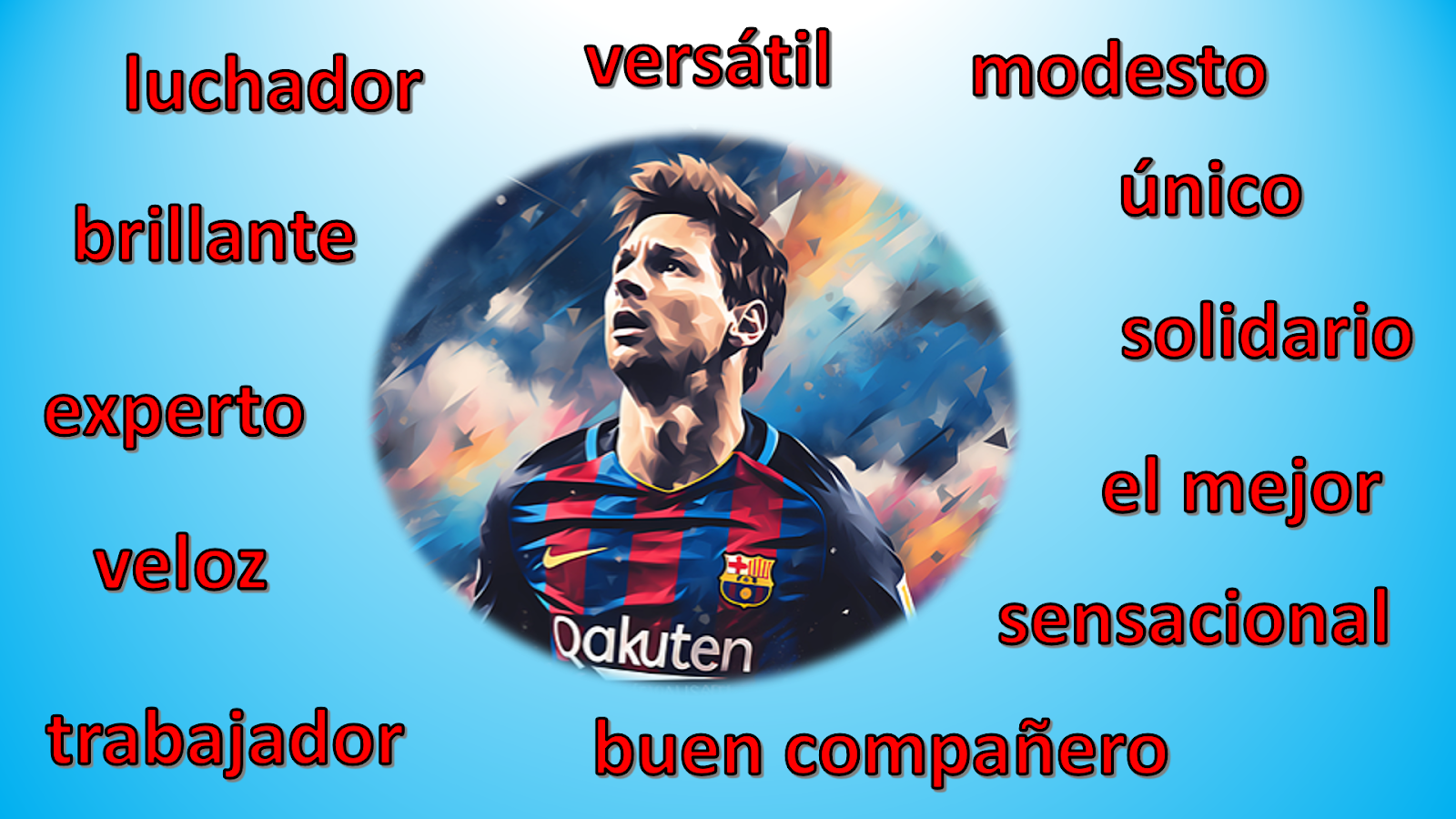
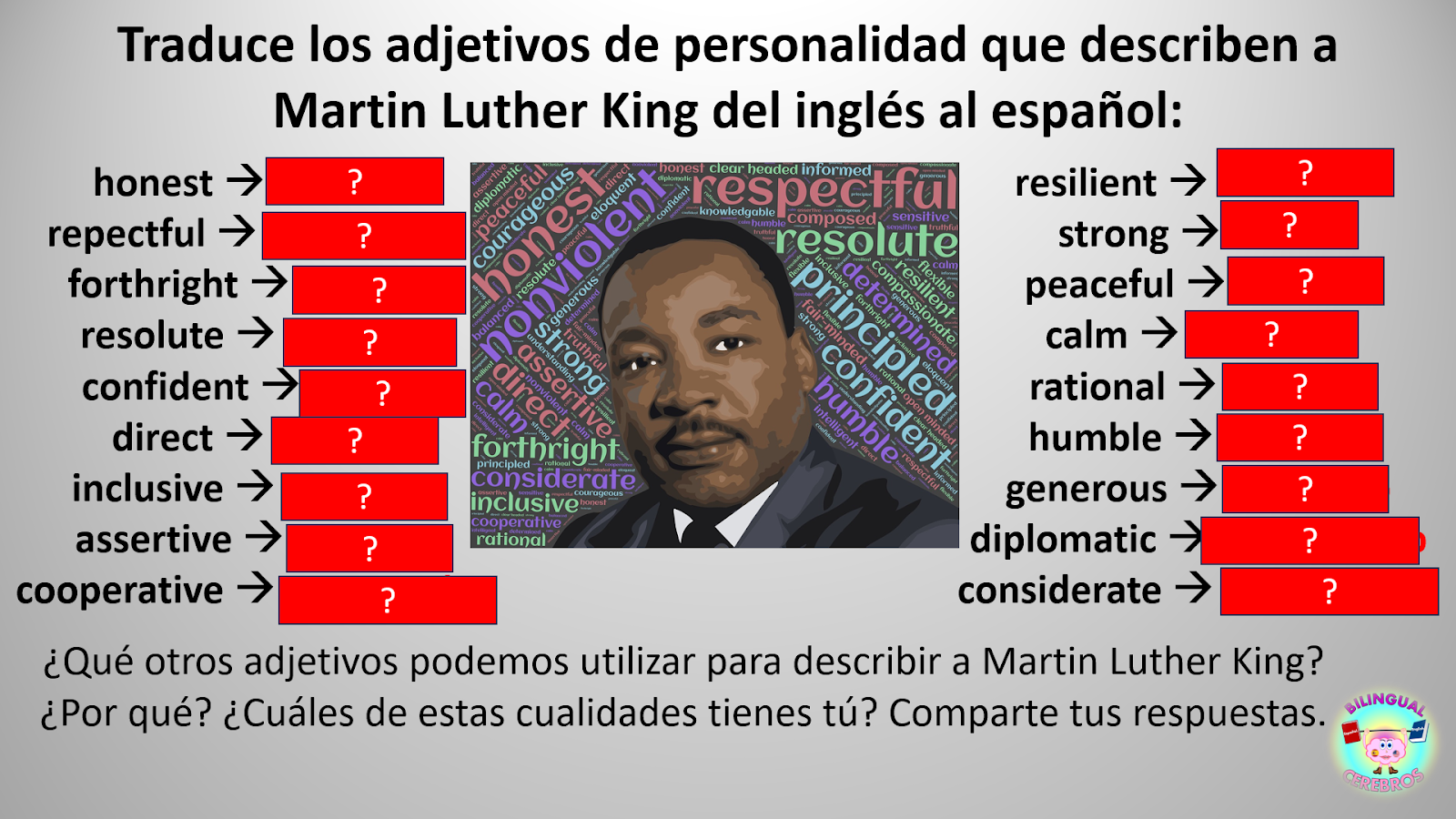
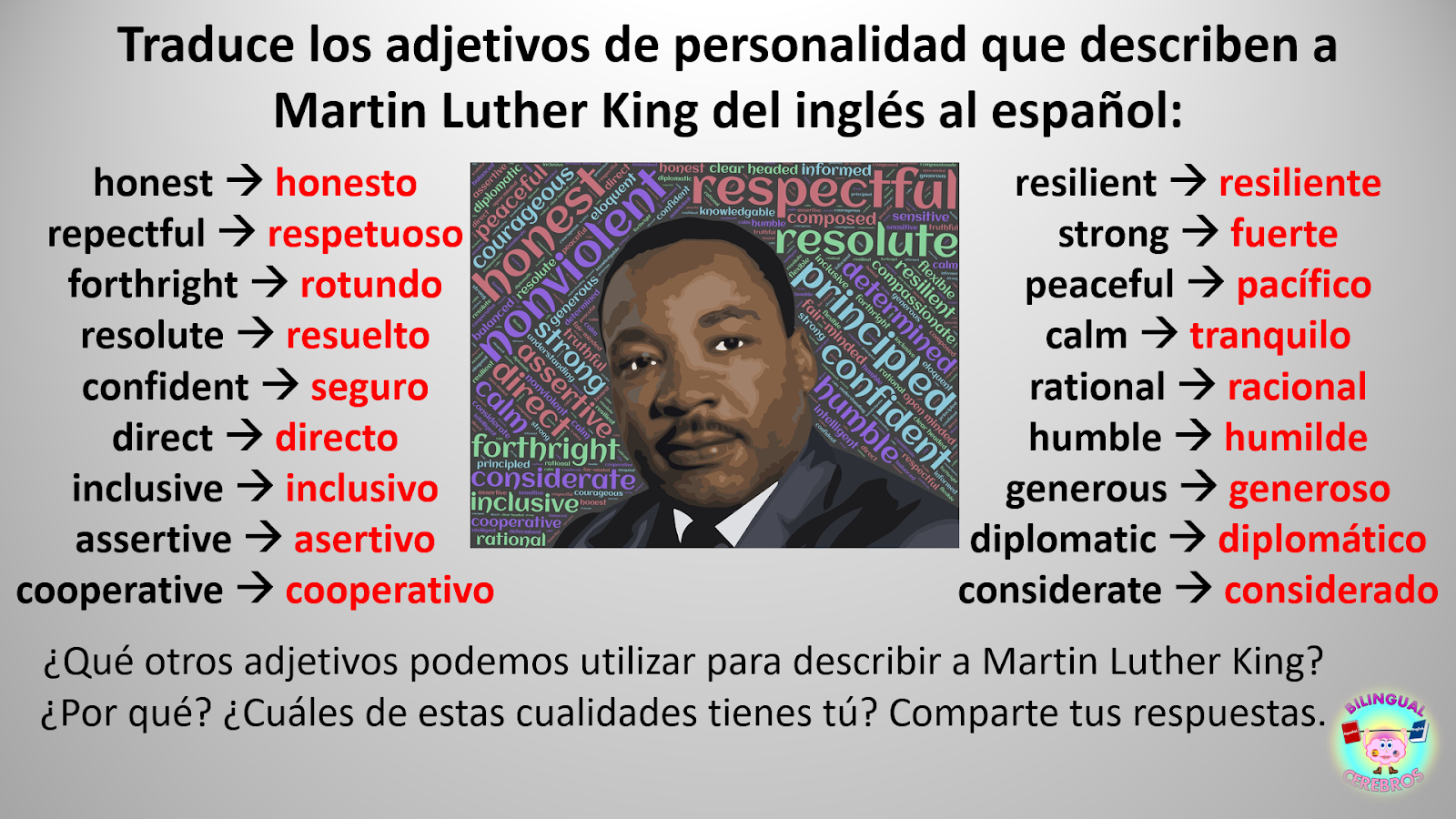
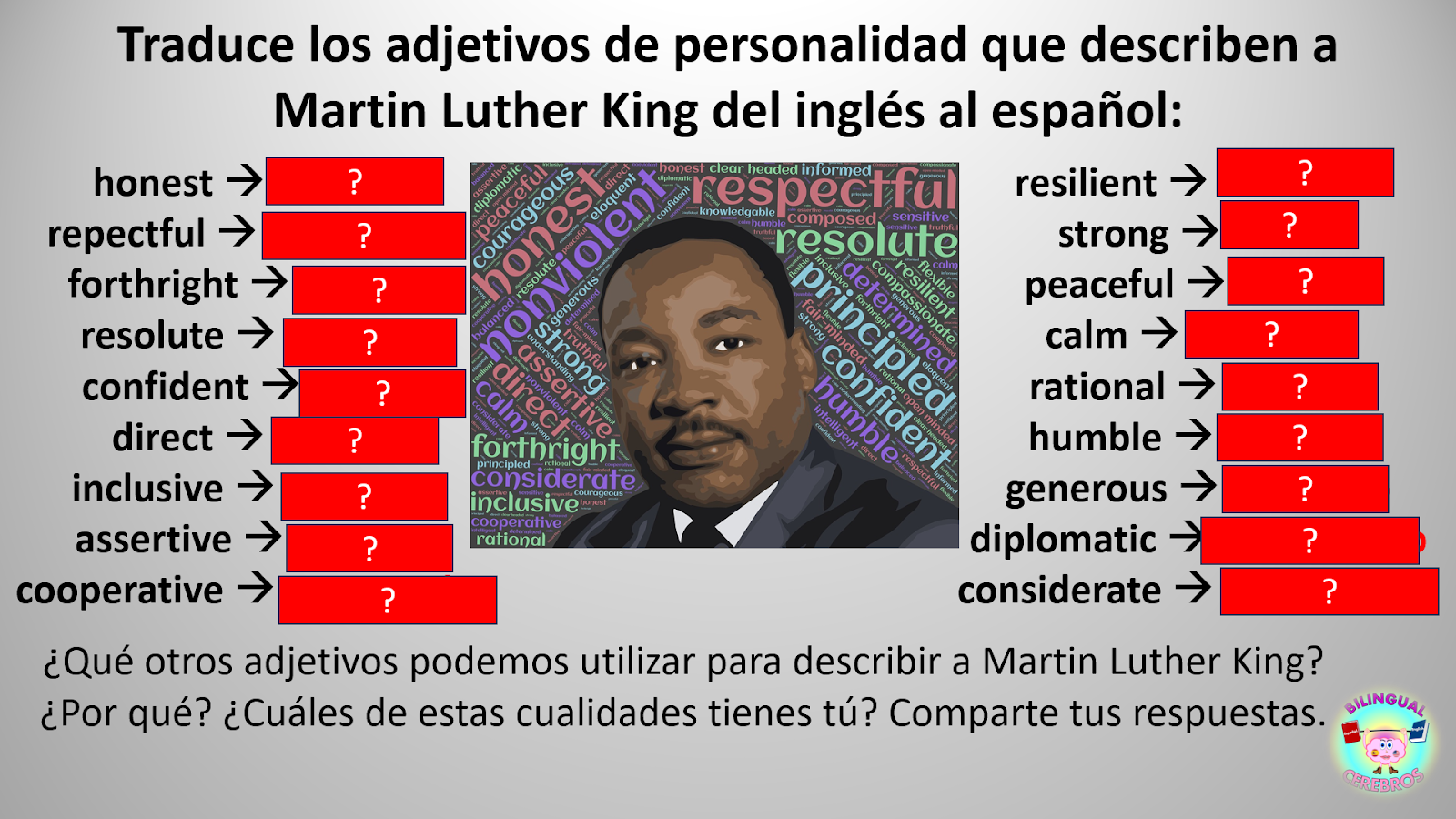
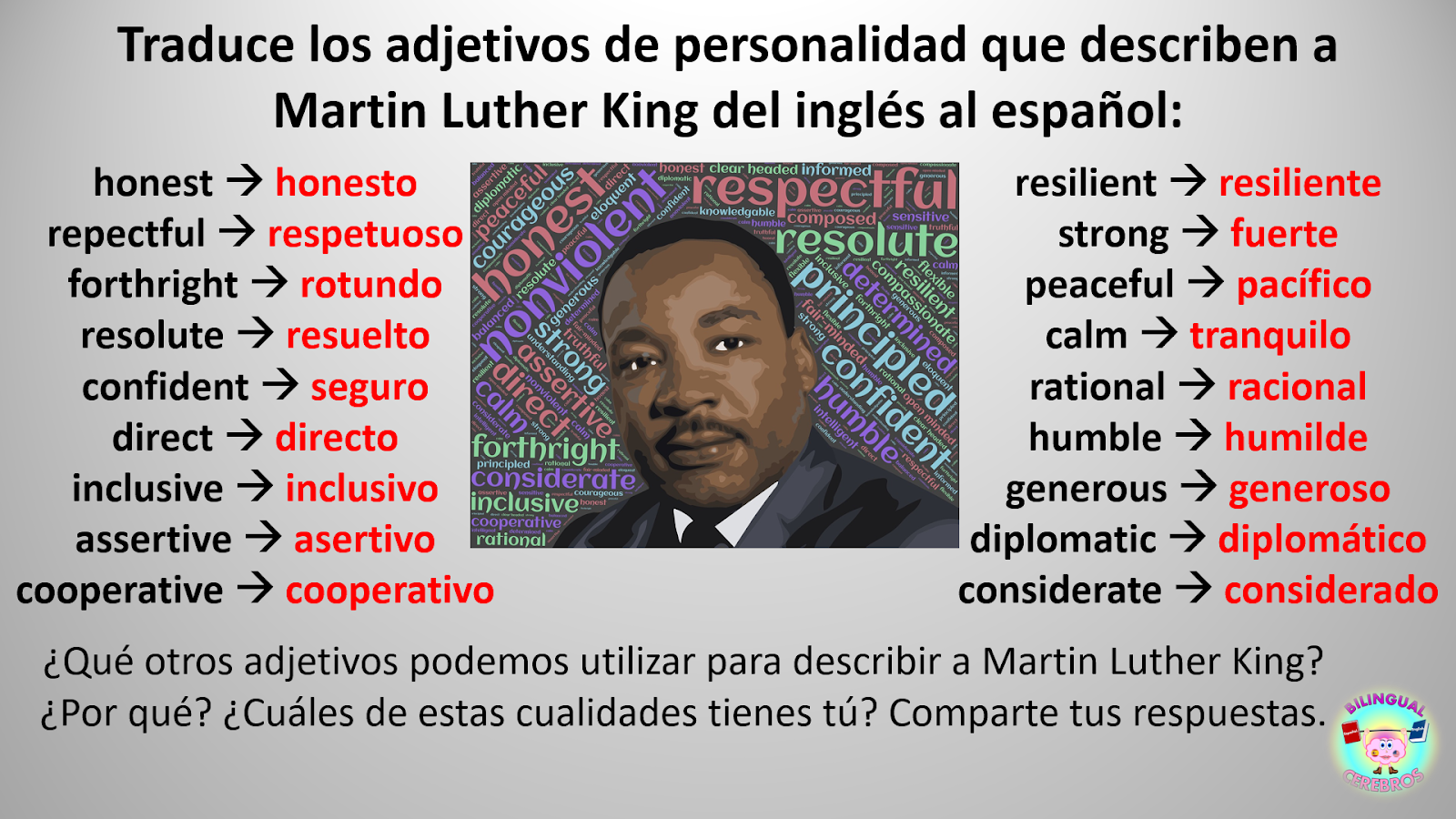
You can focus on any famous inspiring role model or students can also focus on a family member that has really inspired them. Below are a few examples from activities and resources in my channel, Bilingual Cerebros.

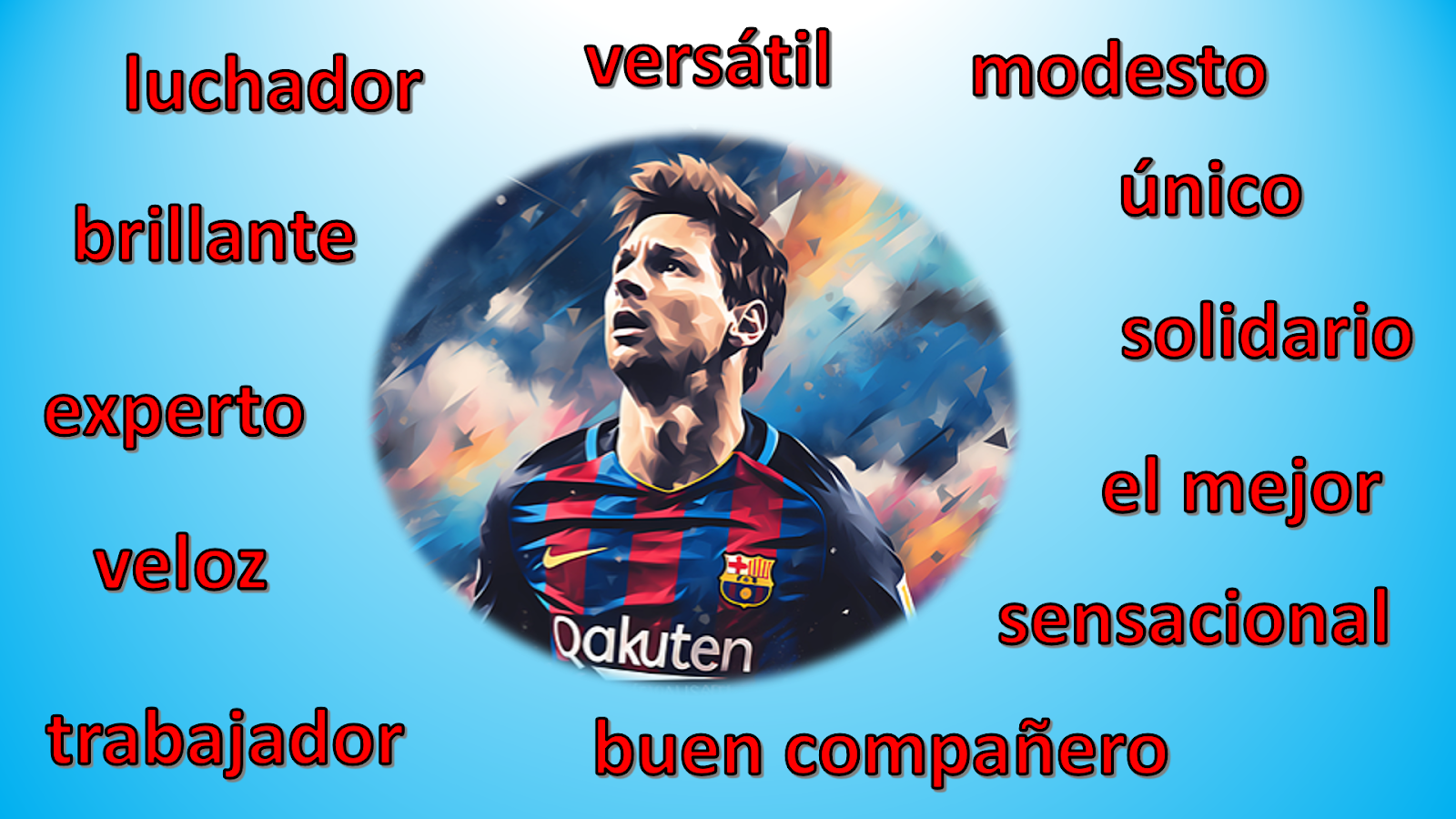
What adjectives can you use to describe a person that really inspires you?

Ein Bild, das Text, Menschliches Gesicht, Grafikdesign, Screenshot enthält.Automatisch generierte Beschreibung

Ein Bild, das Text, Menschliches Gesicht, Mann, Person enthält.Automatisch generierte Beschreibung

From these examples we can discuss how they are the opposite of some of the bad role models that sadly we are seeing recently more than ever on the news, and mention the negative adjectives too, but without giving it too much of a focus, as we want to cover the vocabulary, but we want to focus on the positivity and good role models and not the opposite. What we focus on, grows. So, let’s focus on goodness.

More examples:

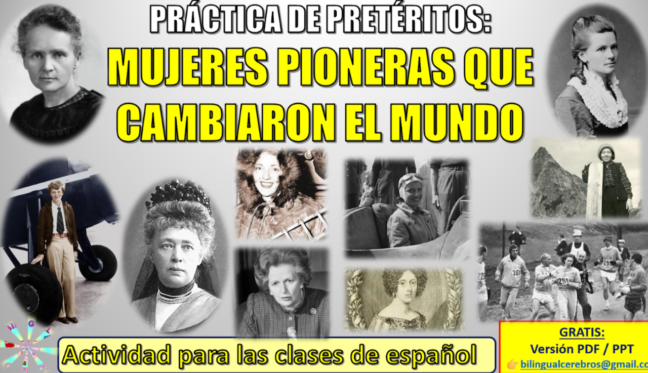
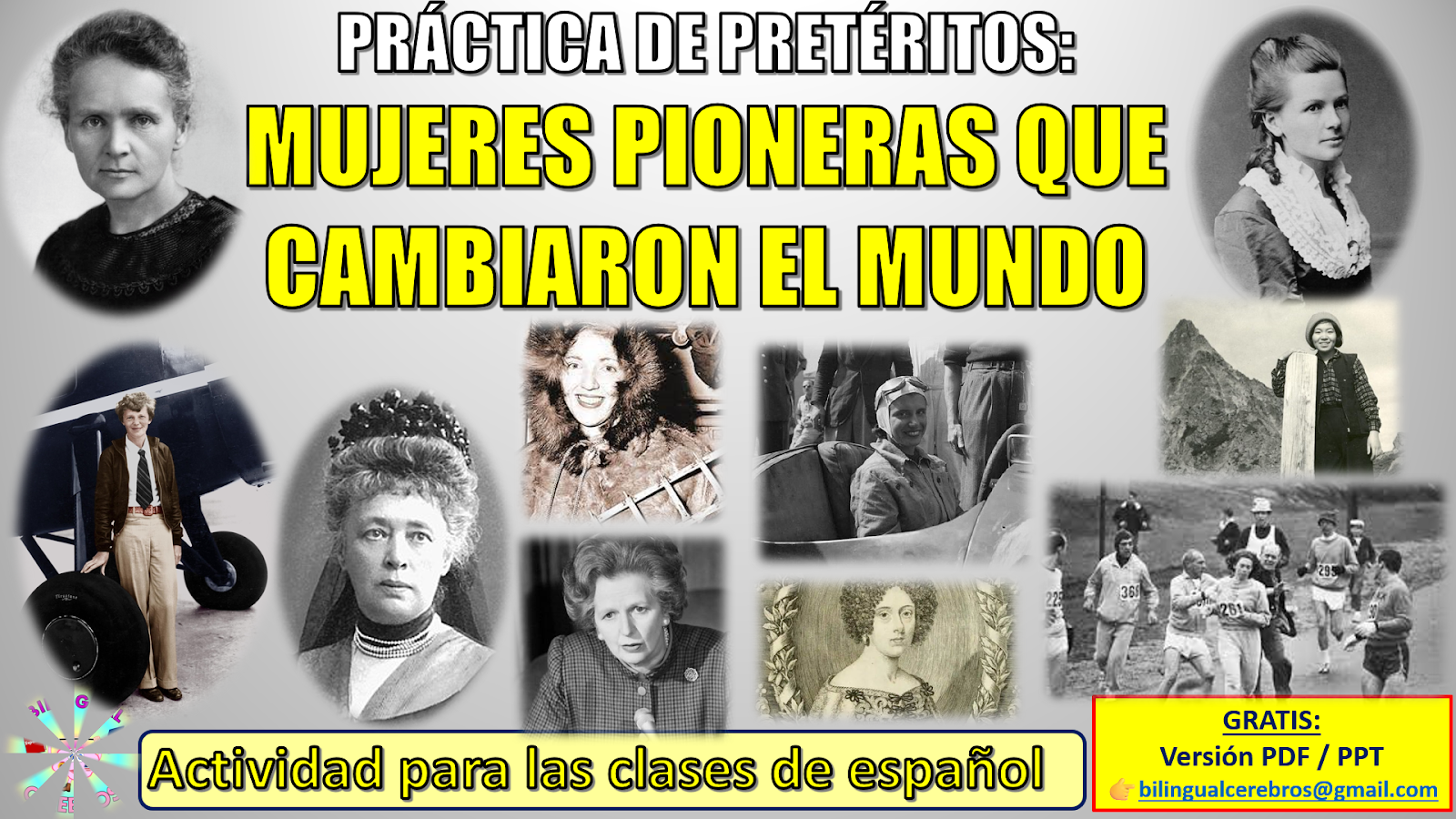
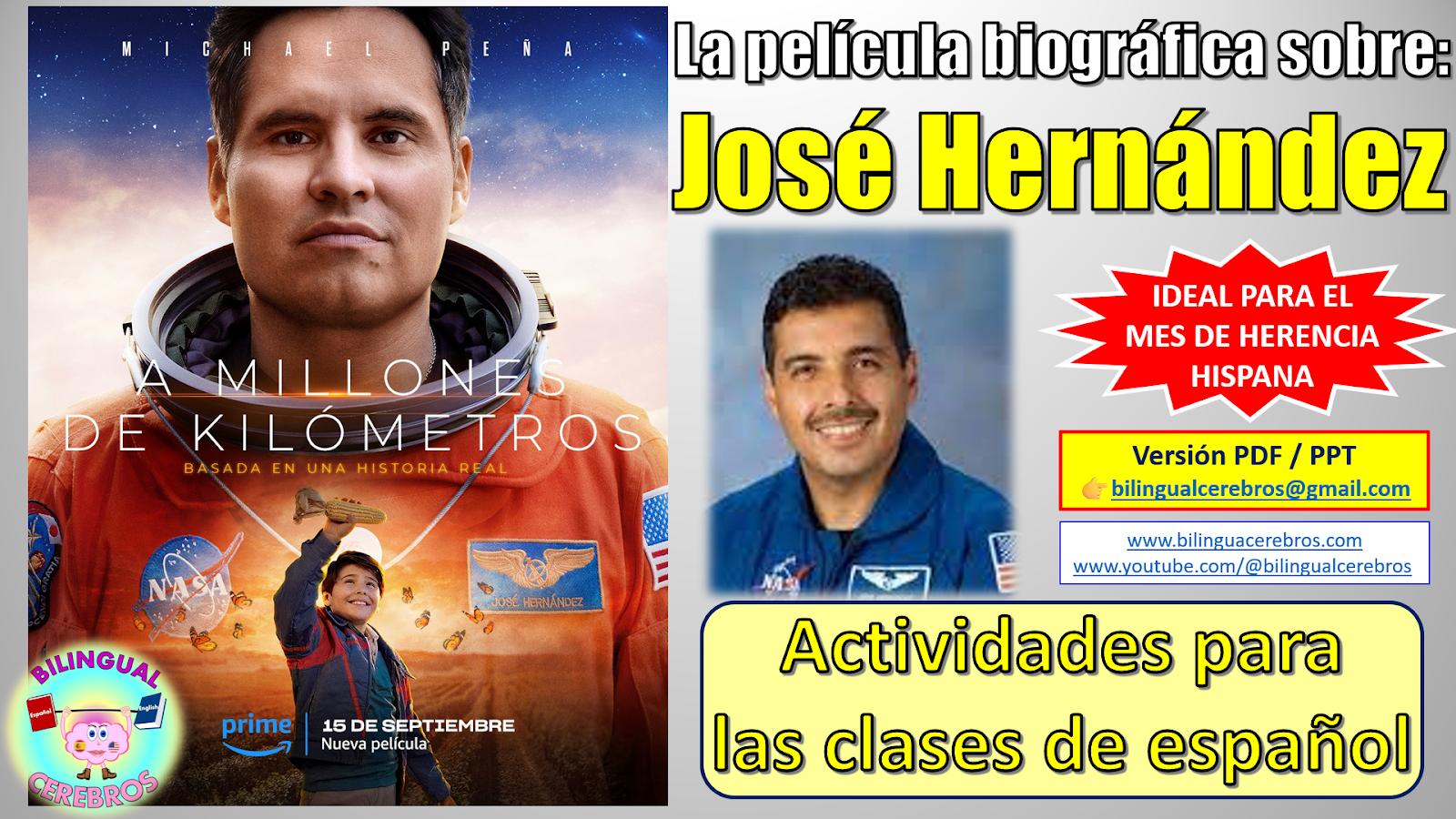
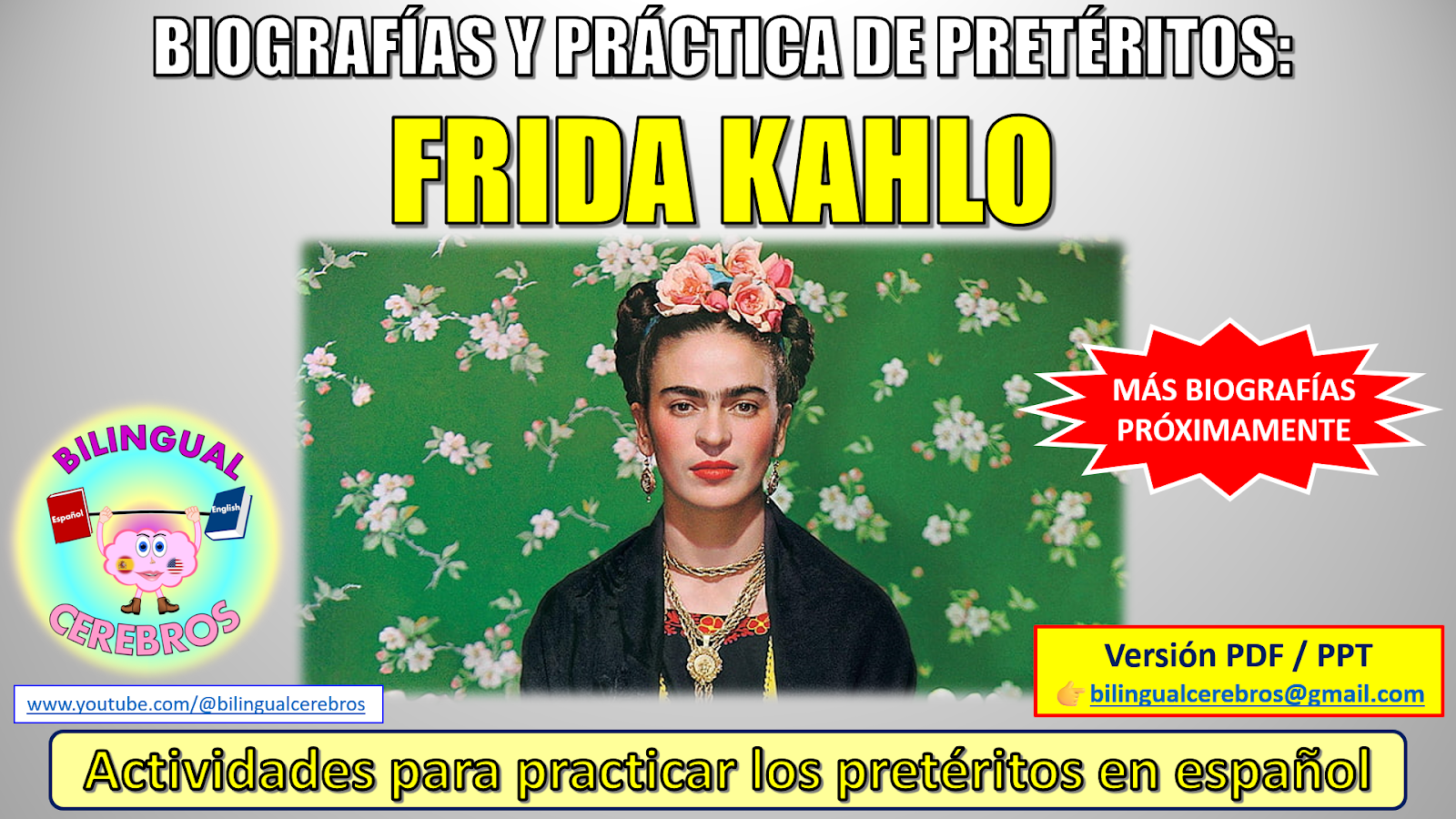
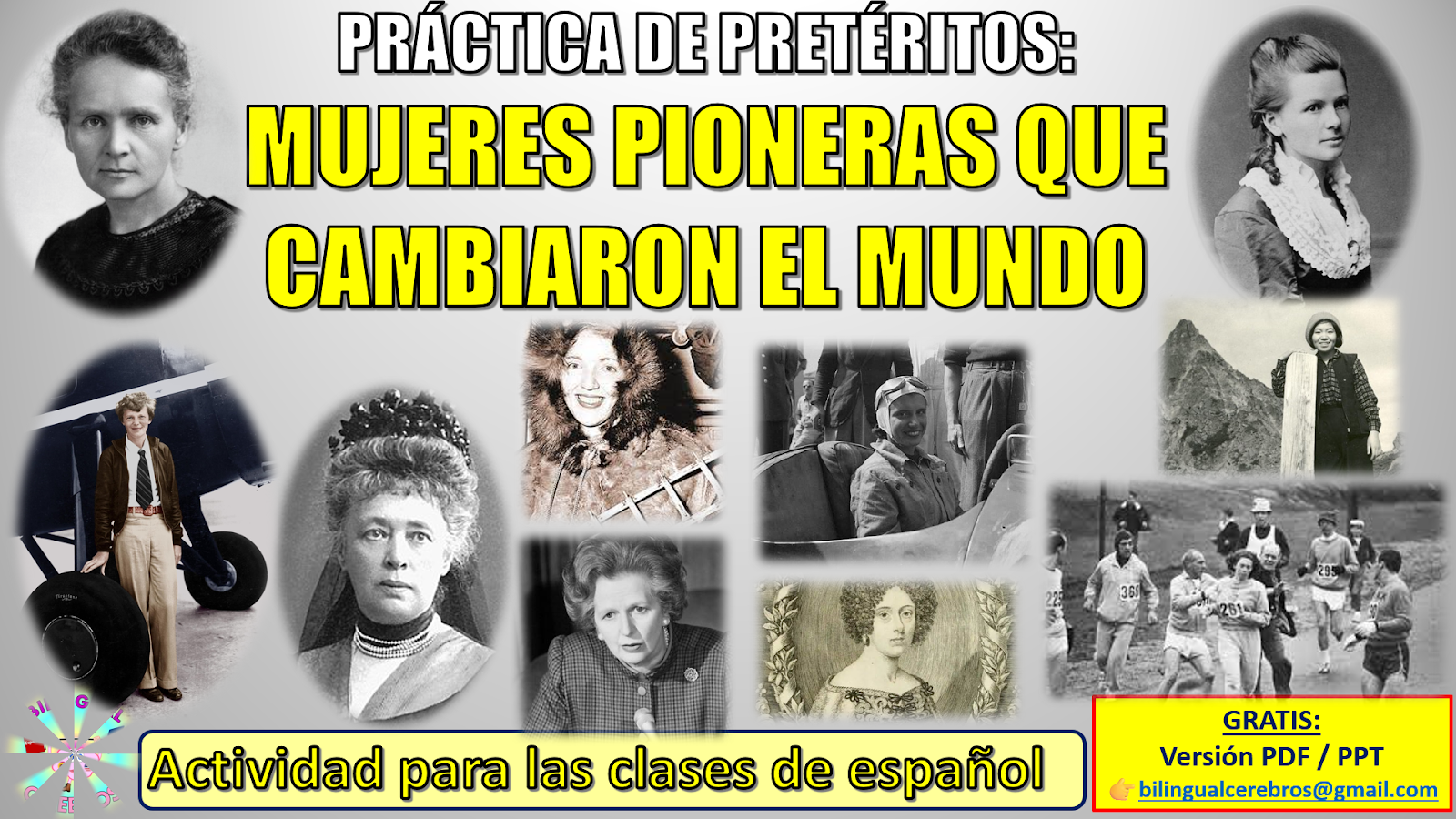
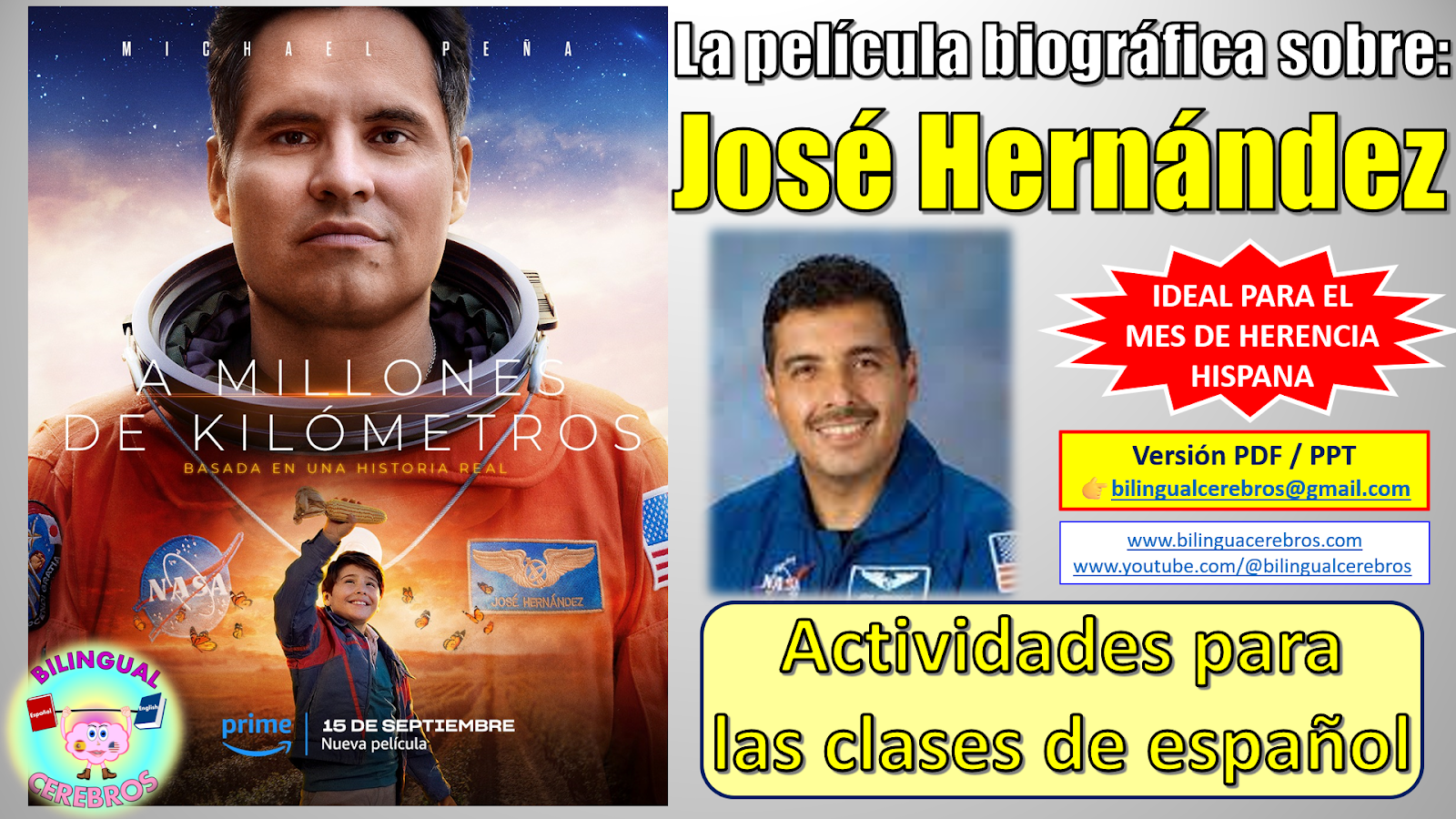
In my channel you can find biographies of inspiring people with activities to practice the past tenses, reading and comprehension and questions about the texts. These are some of the resources that I recommend:

Ein Bild, das Text, Menschliches Gesicht, Person, Kleidung enthält.Automatisch generierte Beschreibung

Women that changed the world: https://youtu.be/RQWGwicnDvg?si=cajB7mnuD895EfrU

Ein Bild, das Text, Menschliches Gesicht, Mann, Kleidung enthält.Automatisch generierte Beschreibung

José Hernández: https://youtu.be/7nQPBZ8rmIM?si=IjtYSbznawOOI840

Ein Bild, das Text, Menschliches Gesicht, Person, Kleidung enthält.Automatisch generierte Beschreibung

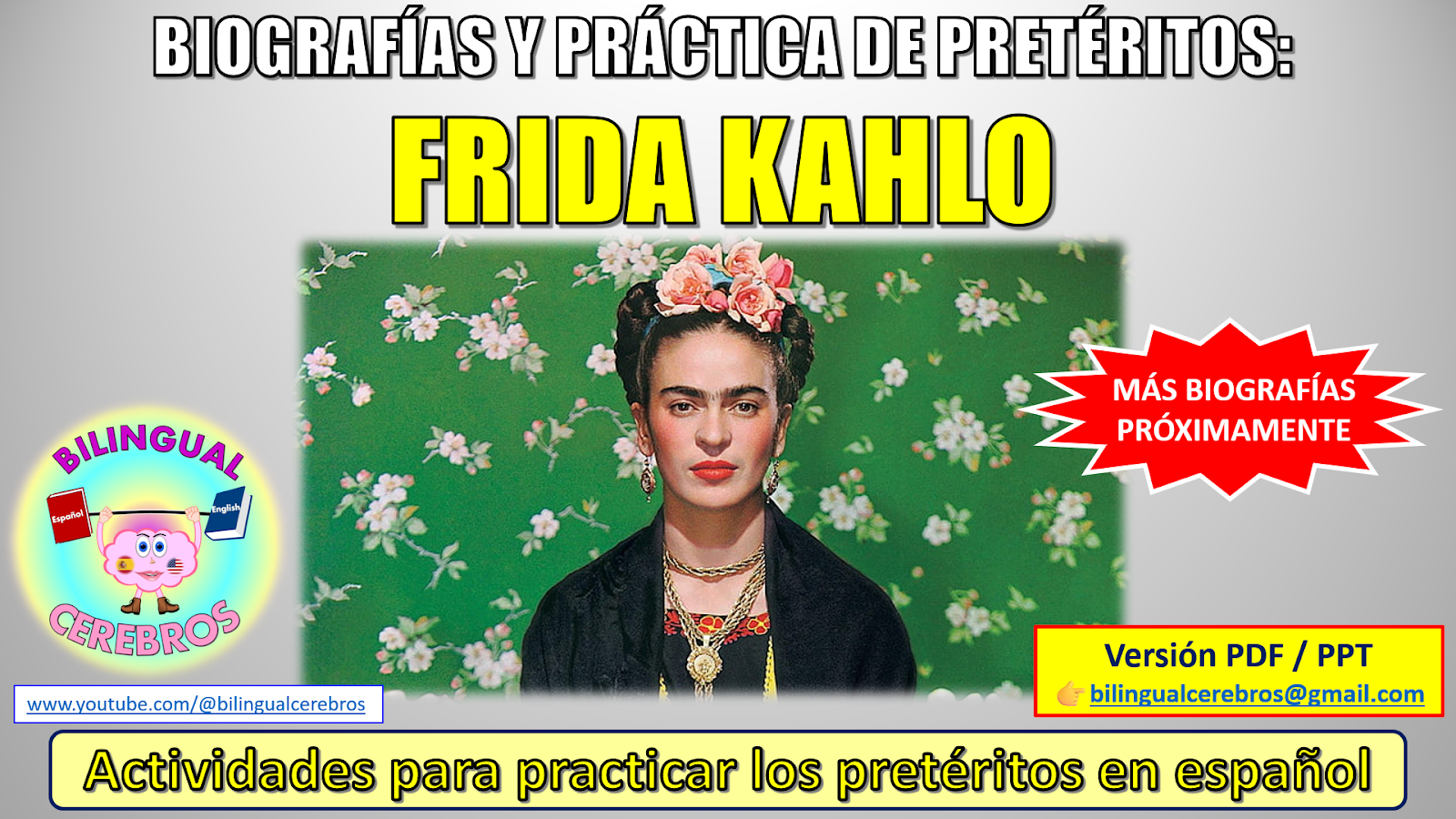
Frida Kahlo: https://youtu.be/k3FuLWt-5-w?si=gh-1sNwT3xrkeaVD

This is the link to the Playlist to this section in the channel:

Please let me know what other biographies you would like me to upload next, I appreciate your comments.

I hope these ideas and resources are helpful and inspire your lessons to focus on positivity and to create a better world together.


Vamos a destacar y enfocarnos en buenos modelos a seguir en nuestras clases de idiomas

Últimamente, los medios de comunicación se centran mucho en los malos modelos en nuestra sociedad. Y por muy importante que sea descubrir cosas malas, desenmascarar a personas fraudulentas, asegurarse de que no vuelvan a suceder, abordar la injusticia y mantener a todos a salvo, creo que también debería hacerse hincapié en lo contrario. Centrémonos también en los buenos modelos a seguir, las personas que han logrado y están logrando grandes cosas, que han luchado y están luchando por la injusticia, personas cuya ética de trabajo puede inspirar a las generaciones jóvenes y a todos nosotros.

Para ello propongo varias actividades en nuestras clases de idiomas, actividades que pueden reforzar el vocabulario y al mismo tiempo servir de inspiración. 

¿Qué hace que una persona sea excepcional e inspiradora?

¿Qué cualidades tienen estas personas excepcionales?

Simplemente hacer esas dos preguntas puede crear una gran oportunidad para discutir adjetivos y valores en nuestra sociedad. También podemos discutir cómo algunos valores han cambiado para mal y cómo nosotros, como sociedad, nos estamos centrando en valores vacíos y superficiales. Una gran oportunidad para comparar los modelos a seguir de nuestra sociedad actual con los modelos a seguir del pasado.

Puede centrarse en cualquier modelo a seguir inspirador famoso o los estudiantes también pueden centrarse en un miembro de su familia que realmente los haya inspirado. A continuación, os muestro algunos ejemplos de actividades y recursos en mi canal, Bilingual Cerebros.

¿Qué adjetivos puedes usar para describir a la persona que más te inspira?

Ein Bild, das Text, Menschliches Gesicht, Grafikdesign, Screenshot enthält.Automatisch generierte Beschreibung
Ein Bild, das Text, Menschliches Gesicht, Mann, Person enthält.Automatisch generierte Beschreibung

A partir de estos ejemplos podemos discutir cómo son lo opuesto a algunos de los malos modelos que lamentablemente estamos viendo últimamente más que nunca en las noticias, y mencionar también los adjetivos negativos, pero sin darles demasiado énfasis, solo para cubrir el vocabulario, pero lo que queremos es centrarnos en la positividad y los buenos modelos a seguir y no al revés. Aquello en lo que nos centramos crece. Entonces, centrémonos en la bondad.

En mi canal puedes encontrar biografías de personas inspiradoras con actividades para practicar el tiempo pasado, lectura y comprensión y preguntas sobre los textos. Estos son algunos de los recursos que recomiendo:

Ein Bild, das Text, Menschliches Gesicht, Person, Kleidung enthält.Automatisch generierte Beschreibung

Mujeres pioneras que cambiaron el mundo: https://youtu.be/RQWGwicnDvg?si=cajB7mnuD895EfrU

Ein Bild, das Text, Menschliches Gesicht, Mann, Kleidung enthält.Automatisch generierte Beschreibung

José Hernández: https://youtu.be/7nQPBZ8rmIM?si=IjtYSbznawOOI840 

Ein Bild, das Text, Menschliches Gesicht, Person, Kleidung enthält.Automatisch generierte Beschreibung

Frida Kahlo: https://youtu.be/k3FuLWt-5-w?si=gh-1sNwT3xrkeaVD

Y más biografías en esta sección del canal. Listas de reproducción de esta sección: https://youtube.com/playlist?list=PL5TlFjB4h2gVeH0XWB3C-TYWfFEAstkQm&si=17FbbPhCnDACMJEp 

Por favor déjame saber qué otras biografías te gustarían que suba al canal, agradezco tus comentarios.

Espero que estas ideas y recursos sean útiles e inspiren sus lecciones para que se centren en la positividad y así crear juntos un mundo mejor.

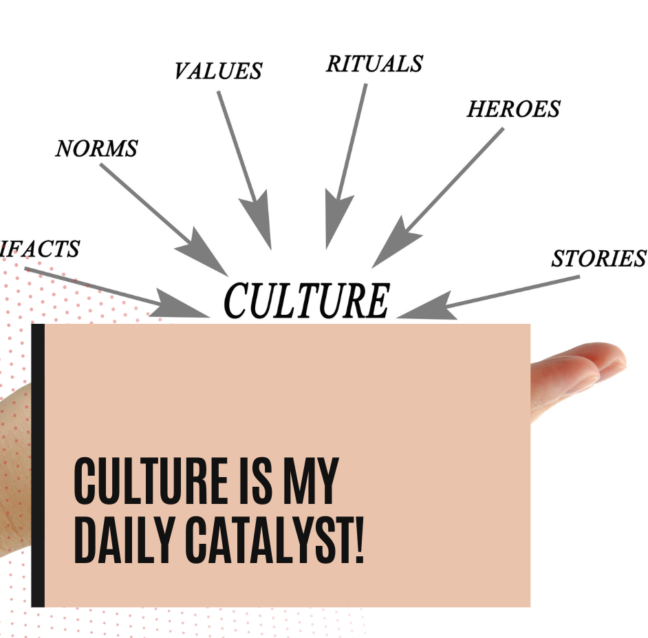
Culture is my Daily Catalyst!

culture

by Noemí Rodríguez (LTL Contributor)

How can we lead with culture on a daily basis in our classrooms?

Culture can serve as your daily catalyst, as it did for me! A few months ago I had the opportunity to teach a High School Spanish Level III class and we began with the unit, “Stories of the Past”.  The unit’s communicative functions & essential questions are: -How does our past define who we are? -How does our present shape our future? -Recount the past -Describe how life used to be -Compare/contrast life in the past to the present

Working with department colleagues, we established that we would utilize the reader, “La Llorona de Mazatlan” and backwards planned our unit with the reader in mind, with a focus on Mexican culture, stories & legends.

As I began with this unit, I had an approximate window of when this unit would conclude and the different points of entry that I wanted to explore with students, based on the upcoming reader, vocabulary & structures necessary to address these communicative goals. I also started the school year with this unit and chose to focus primarily on describing past events & actions. So I began to plan out my weeks….

Week 1/2: Getting to Know Each Other, Establishing a Classroom Community/Goals & Descriptions of Summer Vacations  (Google Slideshow) 

Getting to know students and establishing a positive classroom culture is a key ingredient from day one. One way I approached this concept was doing a “Breakout” with students. Thanks to Kristine Keefe-Hasan (@kkeefe_hasan) aka LaProfeAlta, I was introduced to her breakout, Gozadera, which had the students working in teams to try to unlock the puzzles! It was neat to see them working together to build our classroom community during the first few days together. I also used Canva to design my Spanish III syllabus, which was a different way to approach the typical first-day class outline. (rodriguez syllabus espanol iii)

I started off by describing what I had done in the summer and ironically, I had recently taken a trip to Mexico with my family. I was able to provide input through images and video of my experience and as a pre-assessment for students, asked that the students share the same through the creation of a Screencast video of their summer vacations. This provided me with immediate insight as to how well the students could describe past events and from this, I changed my instructional practices to further emphasize descriptions in the past. 

Week 3: Highlighting Famous Spanish-Speaking Individuals  (Google Slideshow)

After the first class meeting, I knew the students needed way more input! I selected the biographical reader, Vidas Impactantes, and broke the class into six different groups, to allow students to become “experts” on a particular Spanish-speaking individual and to also highlight Hispanic Heritage Month.

Students read in class and I utilized the technique of “Reciprocal Reading” as students alternated which role they played as they read in small groups. As a follow-up assessment, students created informative Google Slideshows about their individual to be shared with the class. They were also given an interpretive reading and presentational writing assessment/quiz focused on key vocabulary. This key vocabulary pulled from Vidas Impactantes had a direct correlation to the unit’s essential questions & the upcoming reader: La Llorona. 

Week 4/5: El Pasado: Leyendas Mexicanas (Google Slideshow)

These weeks served as recycling vocabulary from La Llorona, so I continued with my emphasis on input by providing students with (4) Mexican legends that we would read together and discuss. I also provided vocabulary lists through Quizlet, which students practiced with vocabulary both in/out of class. I displayed these lists for students to view & we also “acted” out the words as a whole group.

I utilized different reading techniques such as volleyball translation, whole group reading, popsicle stick reading (randomly calling on students to continue), paired reading and stop/summarize reading. Each legend that students read was read differently. After reading and discussing these different legends, students discussed which was their “favorite” and interviewed my sister-in-law via Skype, who happens to be from Mexico. I also used the song & music video, “Robarte un beso” to emphasize my sister-in-law’s favorite legend: El Callejón del Beso. 

Week 6/7/8: La Llorona, Our IPA, The Reader & Mexico: El Presente (Google Slideshow 1 , 2

Before diving into the reader, “La Llorona”, I wanted to build background knowledge for the students about this legend. Students completed an EdPuzzle activity for homework and I conducted a MovieTalk narrating the legend using a Youtube video. I posted the La Llorona vocabulary in the back of the classroom, so as I retold the story, I could continue to recycle/emphasize certain words.

At this point, I felt the students were ready to engage in a summative Integrated Performance Assessment with the emphasis of Mexican Legends. Students were provided a different version of La Llorona to read & respond to questions as their interpretive portion, students engaged in a Writers Workshop process by re-writing their own version of their favorite Mexican legend and finally, students had to re-tell their stories/ask questions about one another’s favorite legends for their interpersonal portion via Flip.  Questions posed to assist with their conversations were as follows: 

  • Describa tu leyenda mexicana a tu compañero. 
  • ¿Quién es parte de tu leyenda?  ¿Qué pasó?
  • ¿Cómo terminó tu leyenda?  ¿Te gustó la leyenda? ¿Por qué?

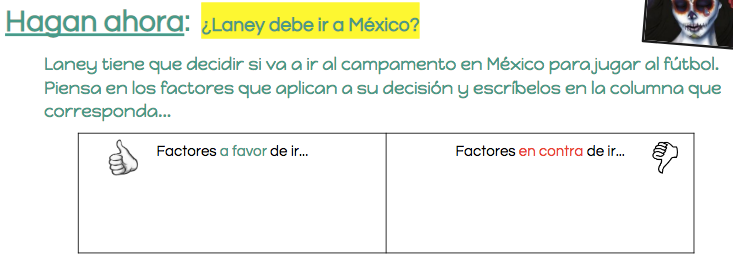
We began to read the reader as a class and at this point, because of the backward design process and all of the “preloading” of the important vocabulary that was coming up in this reader, students were able to comprehend 90-95% of the story. In one of the beginning chapters, a discussion between the main character and her father takes place about whether or not Mexico is a safe country. We paused as a class to explore this question and I used materials created by the wonderful Kara Jacobs (@karacjacobs) to discuss narco-violence. 

Taking it a step further and hoping to have students further connect, my brother who is a police officer shared via Google Hangouts how widespread Mexican cartel violence truly is as he described some of his experiences with local gangs and hostage situations. Please know that my intention was not to scare these 10th/11th-grade students but to ensure that they are aware that these crimes are happening globally and also, affecting our communities locally in New Jersey. 

Hagan ahora.png

Culture Daily

A wonderful aspect about these culturally relevant readers is that it does provide a teacher with moments to transition for a bit outside of the reader and dive into a topic that is compelling/interesting for the students to explore & discuss. 

My short experience with teaching Spanish III proved that you CAN utilize common curriculum documents, essential questions, and communicative functions but still allow culture to guide the path & planning of daily lessons. I chose to emphasize Mexico, Mexican culture and legends but there are many different ways one can go to reach that same goal of utilizing a culturally relevant reader with students for communicative purposes!