Modismos con animales – El arca del español (in Spanish)

by Ramón Clavijo (LTL Contributor)

Si tienes estudiantes que están en la edad del pavo 🦃, te habrás fijado en que hay momentos en los que es difícil gestionar sus emociones. No hay que ser un lince 🐈 para darse cuenta de que se trata de una etapa complicada…

Seguro que en tu aula tienes estudiantes que en ocasiones se sienten como la oveja negra 🐑⚫️ de la familia o de su grupo de amigos. A ellos hay que ofrecerles mucha empatía.

Otros posiblemente avancen como una tortuga 🐢 en el aprendizaje del español. No pasa nada: podemos pararnos un momento, bajar el ritmo, acompañarlos en su lento caminar y darles un empujoncito para que avancen más rápido y alcancen a sus compañeros.

Tal vez algunos sean unos gallitos 🐓 que necesitan reafirmarse en el aula. A ellos hay que tratarlos con mano izquierda, llevarlos a nuestro terreno y ganar su lealtad.

Probablemente no falten los ratones de biblioteca 🐭📚, aquellos a los que sí les gusta estudiar. Es posible que en ocasiones no quieran hablar porque temen quedar como repelentes ante el resto de la clase. Hay que saber entenderlos y administrar sus intervenciones, para no exponerlos demasiado si no lo desean.

Alguno habrá que tenga memoria de pez 🐟🤔 y apenas recuerde cuándo usar el subjuntivo… Debemos ser pacientes y no transmitirles presión.

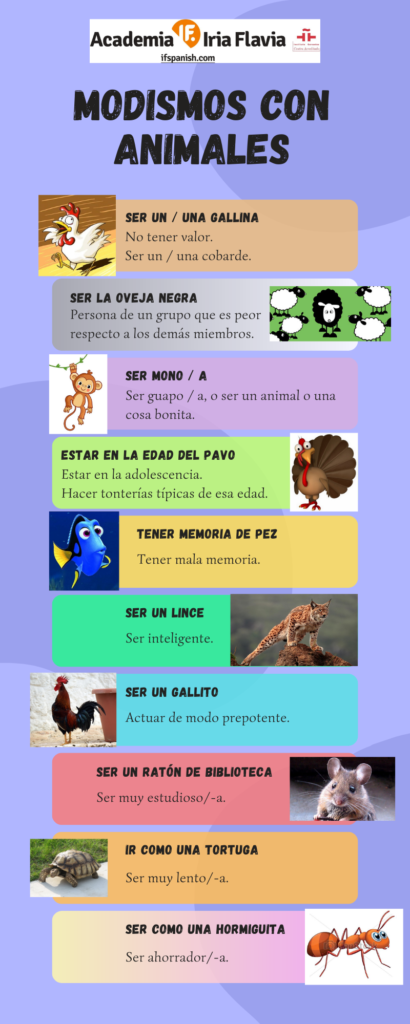
Linces, gallos, tortugas, ratones… pueblan nuestra lengua cuando queremos hablar de comportamientos o actitudes humanas. Para todos estos animales hay un sitio en nuestra arca. Así que, ¡no seas gallina 🐔, da el paso y usa los modismos con animales en el aula!

Nosotros te ayudamos con una infografía muy mona 🐒 en la que aparecen algunas de estas expresiones junto con su significado.

Visible and Invisible – Teaching Identity in World Languages

As the new year started, I thought about what is important to me. To keep my line of thoughts, I brainstormed a phrase for each month. So far, I came up with ‘collecting moments’ for January, and I chose ‘doing more of what you love’ or follow your passion for February.

I realized that my students’ work in the unit “Visible e Invisible,” where we talked about  ‘identity,’ encompasses both phrases perfectly: “moments” and “passions.” One definition of ‘identity’ describes it as “the characteristics determining who a person is or group of people are.” 

In some earlier posts, I wrote about ways I work on identity and what I do for projects. If you are interested in reading about those topics, here they are: 

Throughout the unit on ‘identity’ students went deep into learning, thinking, and expressing themselves about who they are, describing both the visible and invisible parts of -self.

Including all Modes of Communication

As a language teacher I make sure that projects include all forms of communication. Interpretive tasks, such as reading articles or watching videos, interpersonal, and presentational tasks related to the topic. The presentational tasks are usually the culmination of the project where students bring together what they learned throughout the unit.

A couple of resources I used for the interpretive reading and listening are an article on the ‘iceberg cultural’ and the story “El dia en que descubres quien eres” by Jacqueline Woodson, which I read aloud.

Students learned basic ways of saying who they are and what they are like in this unit geared towards the interpersonal mode of communication. Some resources that we used included Amy Lenord’s “Yo” unit and “Mi red personal,” an activity I did in an ISTE professional development webinar a few years ago. These activities and tasks helped students talk about themselves during T.A.L.K. practices and assessments. 

I incorporated art into the unit. Students analyzed art like ‘Braiding’ by Lin Tianmiao and ‘Caja de memoria viva’ by Adrián “Viajero” Román (see: Professional and Personal Experiences Inform My Language Curriculum for more information about these pieces of art) to help them understand the concepts of visible and invisible developed in the unit. 

The final project included a drawing of a half-face to represent the visible and invisible parts of self, writing a composition/essay, and recording a video where they talked about themselves using FLIP. After they completed the tasks, I asked them to complete a reflection about what they learned and I was amazed reading them.

Students’ Reflections

Let me share some so you can see for yourself, 

  • I am proud that I wrote a whole essay in Spanish. I liked that we got to draw as part of the project. I learned that I know more vocabulary in Spanish than I thought and I learned that everyone has a different personality.
  • I learned more about identity and more vocabulary. I also realized that identity has a deeper meaning. I hope people who view my artwork realize that the half face is to show the ‘visible e invisible’ on a person. I learned that everyone may not seem as they appear. I learned a lot of new words and their meanings so I can create more complex sentences.
  • I liked how I was able to learn more about myself because I described myself in a different way. I am proud of my drawing because I put down all the characteristics that make me, me. I learned that people see themselves in a way I could not see them, and I learned more about what they think of themselves and tried to make them feel like I understood them.
  • When I look at my self-portrait, I want people to know that there is more to everyone than what meets the eye. Even if someone is your best friend there are still many things you don’t know about them.

The QR codes from their recordings and the half-face drawing were displayed outside the classroom, so the community could learn more about who my students are.  🙂

Moments and passions also guided my students in their “Visible and Invisible” unit on identity. I wonder what phrases will guide me in the months to come.

Una lengua con cuerpo (in Spanish)

by Ramón Clavijo (LTL Contributor)

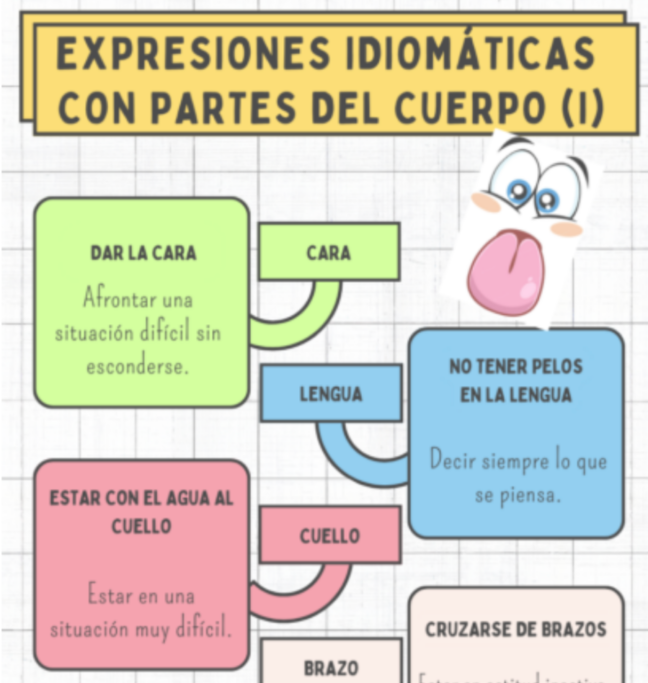
Cuando un estudiante está con el agua al cuello 👤💧🔝, necesita que le eches una mano 🫳❤️. Si confía en tu capacidad como profesor o profesora, si entre vosotros se establece una relación de lealtad, estamos seguros de que acabará poniendo la mano en el fuego por ti 🫳🔥. Y no porque tú te creas el ombligo del mundo 🌎, sino porque habéis llegado a ser uña y carne 🫶.

Pero no solo nuestros estudiantes necesitan ayuda. También nosotros necesitamos sentirnos arropados. Cuando tenemos la sensación de que nos hemos levantado con el pie izquierdo 🦶😞, cuando sentimos que no somos capaces de dar la cara 🫣, cuando estamos irascibles y sacamos las uñas 💅 a la menor adversidad… siempre viene bien sentir el apoyo de una sonrisa amiga 😄. Sobre todo en nuestra profesión: somos lo que transmitimos, y si expresamos optimismo, nuestros alumnos aprenderán mejor👨🏾‍🎓👩‍🎓🥰.

Estamos seguros de que cuando te encuentras en una situación así, hay alguien a tu lado en disposición de ayudarte 😊, alguien que, sin pelos en la lengua 👅, te aconseja de manera sincera. Nosotros, por nuestra parte, tal vez no podamos hacer mucho desde estas líneas, pero lo que tenemos claro es que, si algún profe necesita recursos para sus clases, no vamos a quedarnos de brazos cruzados 🙆🏻‍♀️.

Por eso, te dejamos una infografía con unas cuantas expresiones idiomáticas relacionadas con las partes del cuerpo, por si la encuentras útil para llevarla al aula. Y es que el español, como un buen vino, es una lengua «con cuerpo» 🍷🤭.

Modismos con partes del cuerpo I

Academia Iria Flavia

Teaching and Celebrating International Days in World Language Classes

Teaching and celebrating international days in World Language classes helps students see the power of learning languages. The International Days in September are particularly special to me. They help me set the tone of what is important in class, they help expand students’ global views, and they help me see how (un)comfortable students are in an immersion-style class. We celebrate International Literacy Day, September 8 and International Dot Day, September 15. In this post, we will only talk about International Literacy Day.

International Literacy Day (ILD) has been recognized on September 8 since 1967, when UNESCO chose this day as a reminder of the importance of literacy as a human right. Each year, UNESCO adopts a theme and the one for this year is “Promoting literacy for a world in transition: Building the foundation for sustainable and peaceful societies.” I wondered if my students would grasp this theme, and  I was pleasantly surprised when they surpassed my expectations. 

I presented  UNESCO’s theme, an image, a poster, and a book to my students, and used thinking routines to help go deeper into comprehending the concept of “Promoting literacy for a world in transition: Building the foundation for sustainable and peaceful societies.”

First, students found cognates, such as,  ‘promoting’ ‘transition’ ‘foundation’ ‘sustainable’ and ‘societies’. and familiar words, within the theme for the year. 

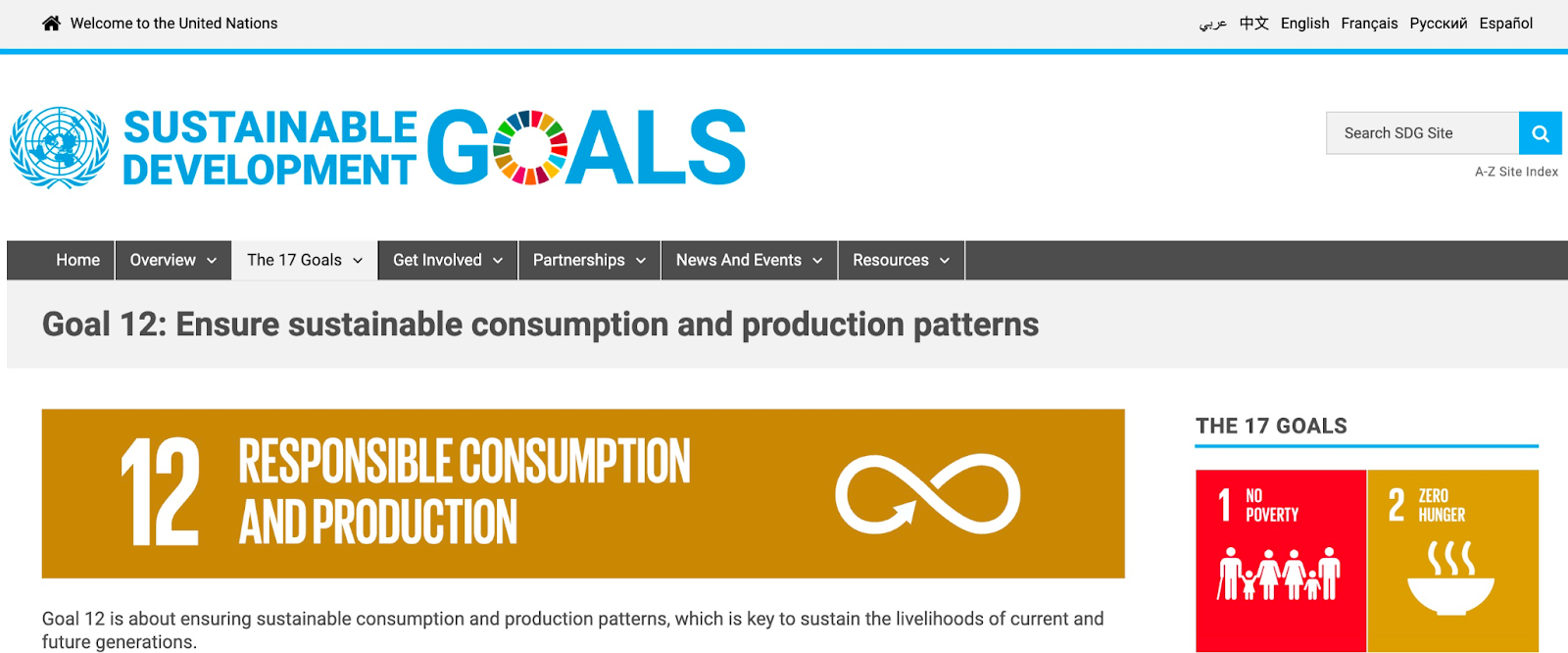
Then, students studied and described the image from the ILD concept note to go deeper in their understanding. It was developed by UNESCO and showed the relationship between literacy and the UN 17 Sustainable Development Goals. The image I used is the following:

There are posters with the Sustainable Development Goals icons in my classroom, so my  students are very familiarized with them. They observed the symbols in the image, and started making connections. Here, they ‘got’ the word ‘peaceful’.

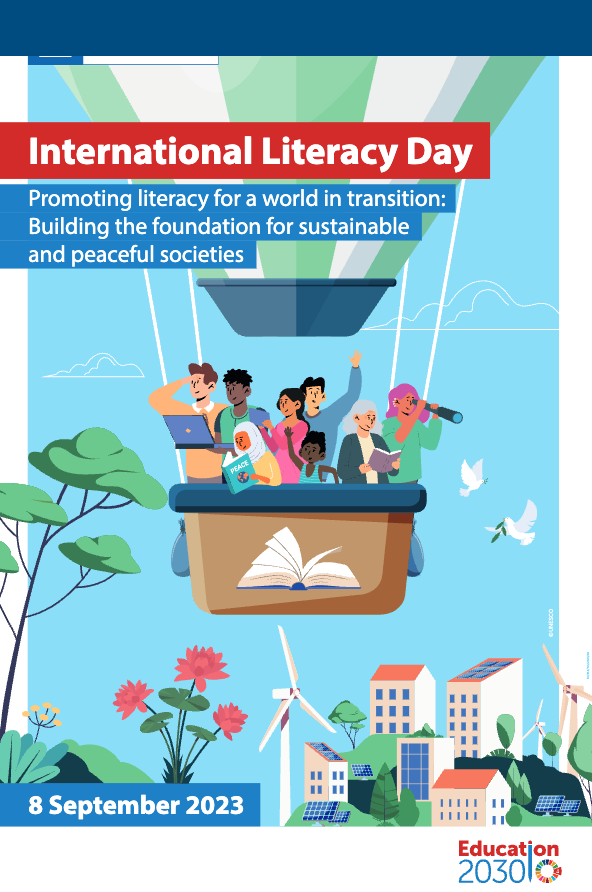
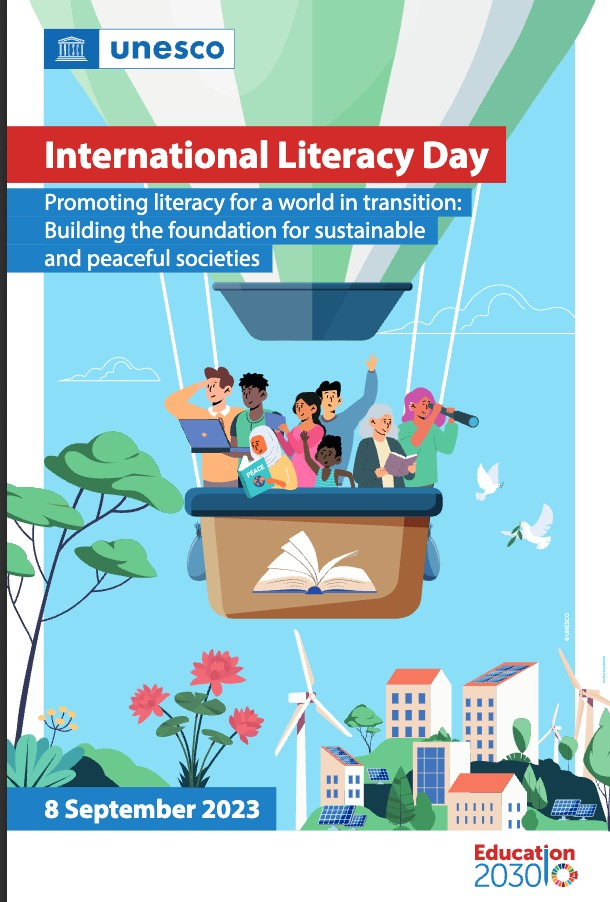
The second visual was the poster created by UNESCO to celebrate ILD. Students worked with a peer and in small groups to describe the poster and then discussed it as a class. The poster I used is the following:

International Literacy Day

Students loved the poster! It brought the words ‘literacy’ and ‘world’ to the forefront. I had to explain with gestures the word ‘building’ as it is not a cognate or a familiar word to my students. After I helped them figure out the meaning of “building”, they got what “Promoting literacy for a world in transition: Building the foundation for sustainable and peaceful societies” meant. It was one of those ‘Aha’ moments in learning.

I chose a book that showed a concrete example related to the ILD theme for 2023. I read “El violín de Ada” written by Susan Wood and translated by Shelley McConnell. It is based on the story of the “Cateura Orchestra” in Paraguay that made its instruments with recycled materials. Students immediately connected the story to ‘building sustainable and peaceful societies’. Many of my students play instruments so they made a personal connection to the story.

Moment of truth! It was time to put ideas together. I asked them to connect the theme, the book, the image, and the poster to see how much they really understood. For this, students used the Project Zero Thinking Routines “10×2” in 5th grade and Hexagonal Thinking in 6th grade.

I loved how my 5th graders stretched their thinking and completed the thinking routine using a limited number of words. They wrote words familiar to them and then they asked me if words like ‘creative’ ‘talented’ ‘curiosity’ were cognates and tried to figure them out in Spanish. Students felt so proud of their work, and I was proud too.

I gave each of my 6th graders a printed sheet of paper full of hexagons. They had to individually write a word connecting the resources in each hexagon. Afterwards, in groups of 3, they glued their cut hexagons by grouping them by themes. In the end, they had to write a phrase that described the groupings. It was my first time using hexagonal thinking and I loved how students worked individually and in small groups, and what they created. All groups concluded that education is fundamental for building strong communities. ‘Wow!’ I thought, ‘they got it.’

Have you integrated international day celebrations into your world language classes? How do you think teaching and celebrating international days in world language classes might impact your curriculum? If you have not started celebrating international days yet, start by choosing one that you want to share with your students. Then, think of one or two activities that you can include in your class. Next year you will revisit your plan and I am sure that you will be adding a spin to it. This is one way of starting integrating international days into your world language classes. International day celebrations set the tone for what is important. 

Esto va a ser la junta de la trócola (in Spanish)

by Ramón Clavijo with Academia Iria Flavia (LTL Contributor)


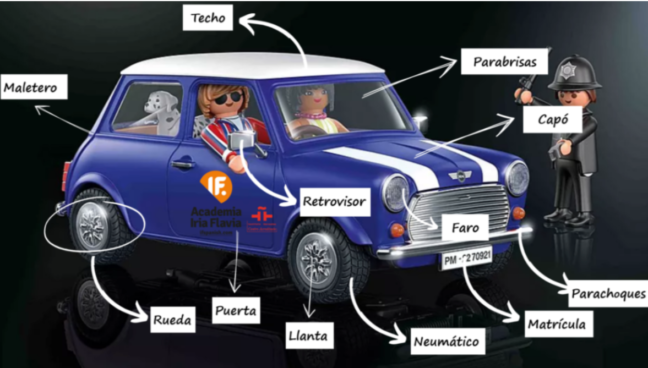
The content provides information about the origin of the expression “la junta de la trócola” and suggests teaching students the names of common car parts in Spanish. It also includes an infographic for reference.


En los años 90, el dúo humorístico Gomaespuma hizo un anuncio de radio en el que el mecánico de un taller le decía a un cliente que la reparación de su coche iba a resultar muy cara debido a que estaba estropeada la junta de la trócola.

Si bien aquellos eran tiempos en los que no existía la “viralidad” de hoy en día, la expresión “eso va a ser la junta de la trócola” se extendió al lenguaje común para hablar de una reparación muy cara, aunque la mayoría de la gente probablemente no supiera a qué parte del coche se refería (e incluso hubo quien pensó que en realidad se trataba de algo que no existía, y que simplemente se había usado en el anuncio porque sonaba gracioso).

No podemos pretender que nuestros estudiantes sepan qué es la junta de la trócola, pero sí podemos enseñarles los nombres de algunas partes del coche de uso común y que pueden resultarles útiles si deciden comprar o alquilar un vehículo en España o en un país hispanohablante.

Por eso, te dejamos esta infografía. Esperamos que te sea de utilidad.

Por cierto, la junta de la trócola sí existe ✅️: se trata de una polea que ayuda, mediante una correa o cadena, a transmitir la potencia del motor a cada componente del vehículo para que este pueda moverse.


Draw a Snowman: Learn How to Talk about Others

Your students know that you are into something when you start the class with a game. Not just any game, but one in which they have to draw a snowman! And not any snowman!

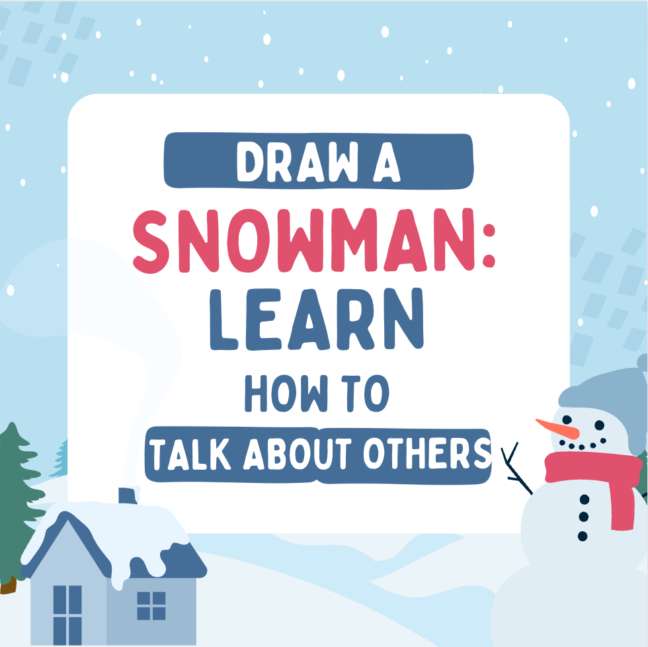
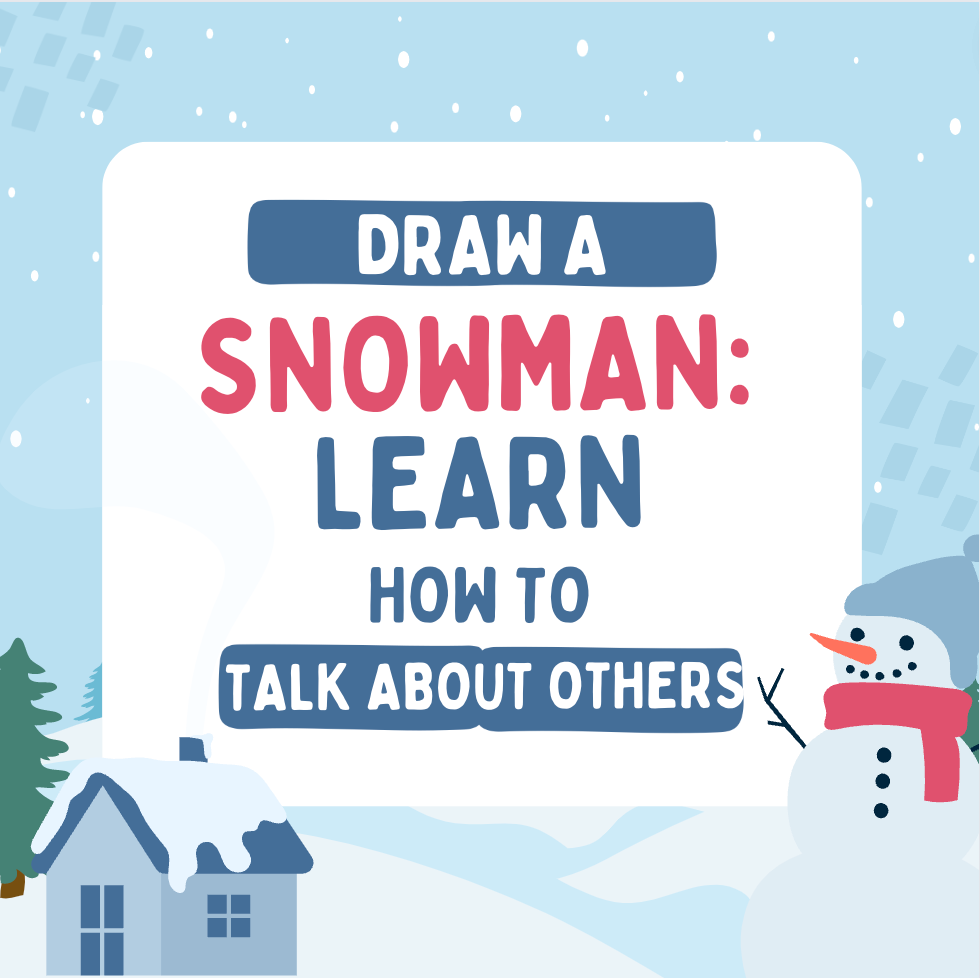
It all started when I remembered about a resource I came across a few years ago (I am sorry but I do not know who posted this idea!). Here is a copy of the prompt:

What is the name of your snowman?

“What is the name of your snowman? My snowman is called ‘Botón Inolvidable’ (Unforgettable Button),” I said. The name of each snowman would be a combination of the month of a student’s birthday and the first letter of their first name. Some other snowmen this year were ‘Campana Luminosa’ (Lighted Bell), ‘Zanahoria Típica’ (Typical Carrot), and ‘Bufanda Generosa’ (Generous Scarf). 

The tricky part for students was drawing the snowman because it had to reflect its new name. I handed a blank sheet of paper to each student and I gave them time to think how to draw their snowman. The results were amazing! Students loved the challenge and enjoyed the game. They were so creative! A student was absent that day so I asked her to draw it directly in her OneNote. She would print it and would be able to participate in class the next day.

The following class, each student shared the name of their snowman. I wrote on the board the starting phrase so that they could start talking. ‘What is your snowman’s name?’ I would ask. I continued asking questions such as, ‘What does he like?’ ‘What does he want?’ ‘What does he need?’ Their imagination started to fly.

Then, I asked students what they could say about their snowman if I asked them, ‘What is he like?’ I gave examples such as, ‘He is creative’ or ‘He is intelligent.’ They immediately got it and I could see their brains at work. They were ready now to attempt to describe their snowman to each other, which they did quite successfully. Next, they wrote the description of their snowman and continued learning how to talk and ask about others. 

After working with the snowman, we talked about important people in our lives. We talked about students’ own teachers, other adults in their lives, and characters in books they read, games they play or movies they watch. The snowman, however, was never forgotten!